

The good news is you don't have to guess. Most nighttime AC failures fall into one of two buckets — something simple you can check yourself in a few minutes, or something that needs a technician regardless of what time it is. The trick is telling the two apart quickly, without making the problem worse by poking at parts you shouldn't touch.
This isn't a deep dive into how your AC works. It's a checklist built for exactly this moment: what to look at first, what those checks tell you, and how to decide — calmly and quickly — whether tonight is a "fix it and go back to bed" situation or a "this needs a call now" situation.
 First Things to Check
Work through these in order. Each one takes under a minute, none of them require tools, and together they cover the majority of nighttime AC calls we get.
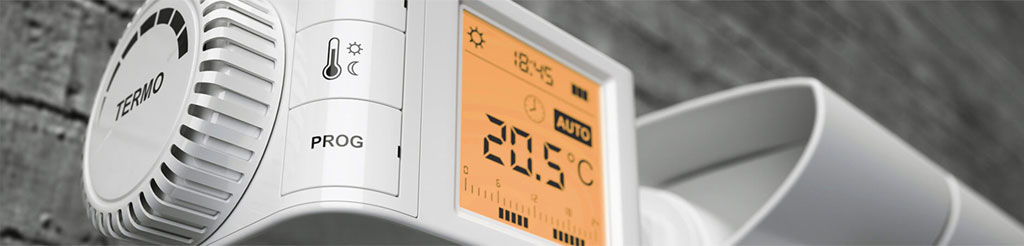
Thermostat: Confirm it's set to "Cool," not "Fan" or "Off," and that the set temperature is a few degrees below the current room temperature — if the thermostat isn't calling for cooling, the system has no reason to run, and nothing else on this list will matter. If it's a battery-powered thermostat, check that the display isn't dim or blank; dead batteries are a common, boring cause of a "dead" AC, and an easy one to rule out if you keep spares nearby.
Power at the breaker: Find your electrical panel and look for a breaker that's tripped — usually sitting in the middle position instead of fully on, rather than flipped all the way off. AC systems typically run on two breakers (one for the indoor air handler, one for the outdoor condenser), so check both, not just the one you find first. If one is tripped, switch it fully to off, then back to on. Give the system a minute before deciding whether it worked.
Switches near the unit: Most systems have a disconnect switch, or a switch that looks like an ordinary light switch, near the indoor air handler — often in a closet, attic, or basement. These get bumped by accident more often than people expect, especially in homes where that space doubles as storage. Confirm it's in the "on" position. There's often a second disconnect outside near the condenser as well, usually in a small gray metal box mounted on the wall nearby.
Air filter: Pull the filter and hold it up to a light. If you can't see light through it, airflow is restricted enough to make the system work harder than it should — and in some units, restricted airflow trips a safety shutoff designed to protect the compressor. If it's visibly clogged, swap it if you have a spare on hand. If you don't, note it and plan to replace it as soon as possible; running the system on a badly clogged filter, even briefly, adds strain you don't need on a night when the system is already struggling.
Outdoor unit: Go outside and listen. If the condenser is silent while the thermostat is calling for cooling, that points to an electrical or component issue rather than something you can fix by hand. If it's running but caked in leaves, grass clippings, or debris, clear what you can reach without tools or reaching into the unit — restricted airflow at the condenser makes the whole system work harder and is a common, preventable reason units shut down on hot nights.
Signs the Problem Is Minor
If what you found was a tripped breaker, a thermostat set to the wrong mode, dead thermostat batteries, or a dirty filter, you likely just fixed the problem — or you're one step away from it. These aren't signs of a failing system; they're the kind of small, ordinary things that interrupt any AC regardless of its age or condition. Reset the breaker once, swap the filter if needed, and give the system three to five minutes to respond before deciding whether it worked. AC systems don't restart instantly — there's often a built-in delay before the compressor kicks back on, so don't assume failure just because cool air doesn't hit immediately.
If the air starts blowing cool and stays that way, you're done. No need to call anyone tonight, though it's worth mentioning the reset to a technician at your next scheduled visit, especially if it's happened more than once.
One important caution: if a breaker trips again right after you reset it, stop resetting it. A breaker tripping once can be a fluke — a power surge, a brief overload when the compressor kicked on — but an appliance or system that repeatedly trips a breaker should be unplugged and inspected rather than reset again. A breaker that trips a second time is doing its job on purpose, cutting power because something downstream is drawing more current than it should. Flipping it back on again doesn't fix that; it just delays the moment you find out what's actually wrong, and in the meantime you're running current through a system that's already told you twice it isn't safe to do so.
When It's More Serious
These signs point to something mechanical or electrical — not a setting you can adjust or a filter you can swap:
Warm air blowing from the vents while the system runs: The fan working but the air not being cold usually means the compressor isn't running, or refrigerant has dropped too low to cool the air moving past the coil. Neither is something you can top off or reset yourself.
Ice on the indoor coil or outdoor unit even in July. How to Fix a Frozen or Stuck AC Unit is worth a closer read if you're seeing ice on the indoor coil or outdoor unit, even in July. Counterintuitively, ice usually means the system isn't getting enough airflow or refrigerant, not that it's working too well. Running it longer doesn't melt the ice — it makes it worse, and can damage the compressor if it keeps running while iced over.
A burning smell from the vents, the thermostat, or around the air handler. This is the one sign that should move you to act immediately: turn the system off at the thermostat, then at the breaker, and don't run it again until it's been looked at.
Grinding, screeching, or banging noises, especially from the outdoor unit. These are mechanical sounds, not electrical ones, and they usually mean a motor bearing, fan blade, or belt is failing — something that gets more expensive to fix the longer the system keeps running on it.
Sparking, buzzing from the electrical panel, or a breaker that won't stay reset: Treat all three as electrical issues. Don't keep resetting the breaker to see if it "takes" — see the caution above.
Water pooling near the indoor unit: This is usually a clogged condensate drain line, and in a properly working system it triggers a safety float switch that shuts the whole unit off on purpose, to keep water from overflowing into your ceiling or walls. If you see this, the shutoff already did its job — the fix is clearing the line, not restarting the system.
If you notice anything on this list, turn the system off at the thermostat first. If what you're dealing with is electrical — sparking, buzzing, a breaker that won't hold — turn it off at the breaker too, and leave it off until a technician has looked at it. Running a system with an electrical fault, even briefly, isn't worth the risk to save one uncomfortable night.
How to Stay Comfortable Overnight
If you've decided the problem can wait until morning, the goal for the rest of the night shifts from repair to comfort. None of what follows fixes the system, but it makes a real difference in how bearable the house feels until someone can look at it.
Start with moving air. A box fan or ceiling fan doesn't lower the temperature, but moving air feels noticeably cooler against skin than still air at the same temperature — that alone can be the difference between an unbearable room and a tolerable one. If it's cooler outside than in, point a fan toward an open window to pull that air inward; if it's warmer outside, keep windows closed and just circulate what's already inside.
Deal with the sun before it becomes a problem. Closing blinds and curtains on windows that will catch direct sun in the morning is easier to do now than to undo the heat gain later — a room that heats up from 6 a.m. sunlight is much harder to cool back down than one that never let the sun in to begin with.
Sleep low and light. Heat rises, so the lowest livable level of the house — a basement, or downstairs instead of an upstairs bedroom — is almost always cooler than where you'd normally sleep. Lighter sheets and looser sleepwear help more than people give them credit for, and neither costs anything to try.
Watch what else is generating heat. An oven, a running dryer, or even a dishwasher mid-cycle adds real heat to a house that's already struggling to stay cool, so it's worth holding those off until the system is fixed or the weather breaks on its own.
 When to Call for Emergency Service Instead of Waiting
Call right away if any of these apply. If indoor temperatures are climbing into a range that's a health risk — especially for infants, older adults, or anyone with a respiratory or heart condition — that's also worth an immediate call rather than a wait-and-see approach. If the system is completely dead, with no response at the thermostat and no sound from the outdoor unit, and none of the checks above turned up an explanation, that points to something beyond a simple reset. And if it's the kind of heat where waiting eight hours until morning means eight more hours of a genuinely unsafe or unbearable house, that's reason enough on its own.
Rich's Heating and Cooling runs emergency air conditioning repair dispatch, so if your situation falls into any of the categories above, you're not stuck waiting for a callback during business hours — you can get someone out the same night.
Rich's Heating and Cooling runs emergency dispatch, so if you're in one of these categories, you don't have to wait for a 9-to-5 callback.
Reducing the Odds of a 2 a.m. Breakdown
A seasonal HVAC maintenance visit catches most of this — refrigerant levels, electrical connections, drain line condition, and airflow — before it becomes a midnight problem. A seasonal tune-up catches most of this — refrigerant levels, electrical connections, drain line condition, and airflow — before it becomes a midnight problem. Changing your filter on a regular schedule (check monthly, replace roughly every 1–3 months depending on filter type and household) is the single easiest thing to stay on top of yourself.
If Your System Still Won't Run
If you're also weighing what a repair might cost before you call, our breakdown of what AC repair typically costs in New Jersey can help set expectations.. We've been servicing HVAC systems in the area since 2005, we're licensed, bonded, and insured, and we run emergency dispatch for exactly this situation. We serve Dunellen, Elizabeth, Plainfield, Metuchen, Old Bridge, New Brunswick, East Brunswick, South River, Cranbury, and North Brunswick. We'll walk you through what we're seeing and what it'll take to fix it — no guessing.
FAQ’s
What should I check first when my AC stops working at night?
Thermostat setting and battery, the breaker panel, any disconnect switch near the indoor unit, and the air filter. All four take under a minute to check and cover the most common causes.
When should I call for emergency AC repair?
If you smell burning, see sparking or a breaker that won't stay reset, or indoor temperatures are climbing to a level that's unsafe for anyone in the house — especially infants, older adults, or people with health conditions.
Can my AC problem wait until morning?
Often, yes — if you've ruled out the warning signs above and the house is uncomfortable but not dangerously hot, fans and a cooler room can get you through the night
Why is my AC blowing warm air but still running?
This usually points to a refrigerant or compressor issue, not something you can fix by adjusting a setting. It's worth a service call rather than letting it run.
Is it safe to reset the breaker on my AC unit?
Once, yes. If it trips again immediately, stop — a breaker that trips repeatedly is doing its job by protecting you from an electrical fault, and resetting it again won't fix that fault.
Comments