

Whenever I receive a call about an AC that is not cooling properly in East Brunswick, one of the first questions that I tend to ask is the following: Do I repair this thing, or should I replace it? And I get it. When your system fails you not only lose comfort, but sleep, patience, and begin to think what this is going to cost.
I have experienced both sides of the situation as a technician. A quick fix will sometimes get you back on your feet. In other occasions, the system is outdated, ineffective and crumbling due to the same reasons time and again. When that happens, fixing it is more expensive in the long term than installing a new, more efficient system that will cool more efficiently and will save you on the energy bill.
This is why it is so crucial to know about AC repair and replacement in East Brunswick. Not only the comfort of today, but the ten years of reliability and utility costs are influenced by your decision. I will take you through the steps of making that call in this guide just as I do to homeowners when I am standing in their basement or backyard, making it clear, honest and without attempting to push them one way or the other.
How AC Systems Work and Their Typical Lifespan
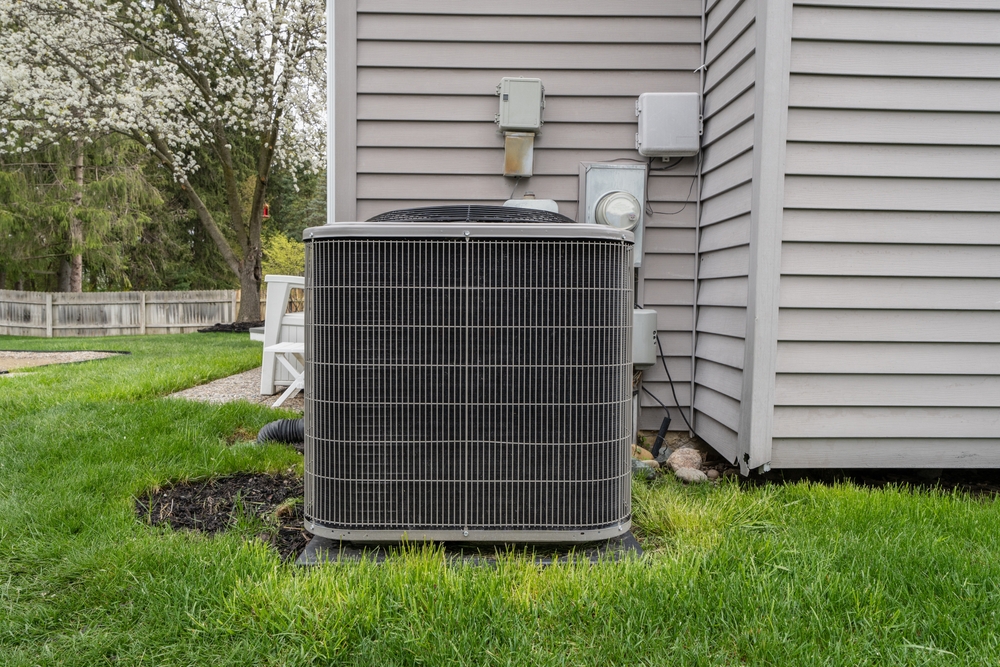
When I am troubleshooting an AC problem in an East Brunswick house, I will always begin by examining the construction of the system. In essence, all setups are similar. You have your condenser on the outside, your evaporator coil on the inside and your blower that is used to blow air through your ductwork. The refrigerant moves in and out of the inside and outside units, extracting heat and humidity out of the house and releasing it into the outside.
With all those parts clean and healthy, the system will cool effectively. However, in New Jersey, the long cooling season and the high humidity wear down these parts every year. This is the reason why the average lifespan of most of the AC units in this area is 10 to 15 years. At that moment, I begin to notice the same red flags: the system does not work well during hot days, takes more time to cool a room, or begins to make some noises that it never made before.
Homeowners usually say to me, Rich, it works, but it is not working the way it was a few summers ago. That's usually age talking. Productivity declines, components become worn out and the system begins consuming more power than it ought to consume.
There is no need to change a system because it is old, but after 10 years, it is prudent to take a look at how often you are repairing it and how much it is costing you. In some cases, it is worth repairing an old unit. In other cases, replacement will prove to be the cheaper alternative in the long run.

Signs Your AC Needs Repair or Replacement
The clues manifest themselves relatively fast when I am called to an East Brunswick house because of AC problems. There are those issues that are indicating a simple fix, and there are those issues that inform me that the system is nearing the end of its life. Being aware of the distinction may save you much money and hassle.
When a Repair Is Usually Enough
When I hear buzzing, rattling or a fan that is not starting, it is usually a capacitor, contactor or motor that is failing. These are repairs that are typical and not a cause to change the entire system. Other occasions, a clogged filter, dirty coil or low refrigerant causes warm air or weak airflow. Once again, they can be repaired without a significant investment.
There is another large one in our area, which is a frozen evaporator coil. When ice is observed by the homeowners, they panic but in most cases it is a problem with the airflow or refrigerant that can be easily solved.
When Replacement Makes More Sense
Now, here's where the conversation shifts. If I see any of the following, I start talking to the homeowner about the age of the system and whether replacement is the smarter move:
- -Frequent breakdowns, often for the same types of issues
- -Refrigerant leaks, especially on older R22 or early R410A systems
- -The system can't keep up, even after cleaning and basic repairs
- -High electric bills because the unit is running longer and harder
- -The AC is 12 to 15+ years old, and repairs are becoming routine
One of the biggest red flags is the combination of age and major component failure. If the compressor or evaporator coil fails on a system that's already past its lifespan, replacing the whole unit usually costs less in the long run than pouring money into a repair that won't restore full efficiency.
I always tell homeowners: If your AC is old and the repair is expensive, don't just fix the symptom; look at the big picture.
Cost Comparison: Repair vs Replacement in East Brunswick
The first thing that a homeowner wants to know when I stand with him next to a condenser that has stopped working is how much the repair will cost, and whether they would be better off spending the money on a new system instead. The fact is that in East Brunswick, the repair and replacement costs are somewhat predictable as soon as you are aware of the ranges.
The majority of repairs that are performed daily such as a faulty capacitor, faulty contactor, or a problem with the blower are on the lower end of the spectrum and do not warrant the replacement of the entire system. Such are the types of fixes that typically cost a few hundred dollars and have you cooling the same day. Even the refrigerant problem, based on the amount of refrigerant required by the system, can be fair in case the other equipment remains in good condition.
The point at which the math begins to change is when we have major components. A broken evaporator coil or compressor may cost thousands of dollars easily. In an older system, particularly anything between 12 and 15 years old, such a repair is hardly economical. You would be installing a new component into a machine that is already out of shape and you are not likely to achieve the same efficiency or reliability that would have been provided by a new system.
An average cost of a full AC replacement in East Brunswick is usually in the mid-6000s to the low teens, depending on the size of the house, the brand you select, and the furnace or air handler as well. High efficiency models such as variable-speed models will be placed at the top end, but they will be quieter, cooler, and reduce your monthly electric bills.
The security that replacement offers is one of the things that homeowners like. The majority of manufacturers provide ten years parts warranty in case the system is registered, and you can also extend it to labor coverage.
Funding sources are also prevalent, which does not strain your budget at once. Compare it to repairs, which normally have a one-year warranty on parts and it is easy to see why some people prefer replacement when repair bills begin to add up.
Simply put, when the cost of repairs is low and your system has not come to the end of its lifespan, then it is only logical to repair. However, at the point where the repair begins to creep over 1,500 or beyond on an older unit, the replacement is often the more cost-efficient long-term option.
Factors Influencing the Decision
I never consider a single thing when I am assisting a homeowner to make a decision on whether to repair or replace their AC. It is an age, a repair history, efficiency, and the way the system manages our East Brunswick climate. The actual story is told in all of these pieces.
The age of the unit is the first thing I put into consideration. A ten year old system that has had its first minor service is one thing but a fourteen year old system that has already had several service calls this season is quite another. The same reasons can and will keep on breaking down older systems and even when you resolve one problem, there can be another one right behind it. It is normally an indication that the equipment is merely worn out.
It is equally important that frequency of repair. When I open a service history and find recurrent breakdowns, I can be sure that the homeowner is likely spending more than he or she is aware. Individual repairs are fast, and soon the cumulative cost begins to climb towards the cost of a new, more efficient system.
Another large consideration is energy efficiency. Newer systems are more efficient in cooling with less power, particularly, the high-efficiency and variable-speed models, which are gaining popularity in New Jersey. Many homeowners do not understand that they can save a lot of money every summer by simply replacing old equipment. In other instances, the utility bills decrease, and the replacement will pay back in the long run.
And there is the environmental aspect. The current ACs have safer and easier to maintain refrigerants. When you are using older refrigerants in your older system, it will cost more to repair and the parts may be less available.
And we cannot ignore the local climate, of course. East Brunswick receives long and humid summers and your air conditioner must work harder than in most other areas of the state. When your system is already struggling in May or June, it is unlikely to be able to continue to do so in August. It is then that homeowners begin to observe uneven cooling, increased run time and increased bills, all indicators that the system is approaching the end of its useful life.
Ultimately, the most appropriate decision is not only regarding the current repair. It is what will provide you with the most comfort, efficiency, and reliability in the next few years.
When Is It Cheaper to Replace Your AC System?
This is another question that most of the homeowners would really be interested in knowing: When does replacement become cost-effective? I have been working on the AC systems in East Brunswick over the years, and I have discovered that there are some guidelines that can be trusted to make the decision easier.
Among the largest rules of thumb is straightforward. When the cost of repair is nearly half the cost of a new system, then it is nearly always the wiser course to replace. That normally arises when a compressor or evaporator coil malfunctions.
Such repairs are costly and installing large new components in a worn-out system that is old is hardly likely to provide you with the comfort or reliability that you are paying. You can have one or two more summers of it, and in the meantime the other parts are not getting old.
The other perspective is to add repair costs in the long run. When you have had two or three repairs within the last two or three years, you are likely to be paying back those bills. By that time, most of the homeowners change to replacement not because the system is totally dead but because they are fed up with the erratic bills and the anxiety that accompanies the uncertainty of when the next failure will occur.
Long-term saving can also be achieved by upgrading to increase efficiency. Newer systems are faster to cool, less noisy and consume less power, particularly variable-speed models that automatically vary their operation according to the temperature in your house. These efficiency gains can be felt on your energy bills in a place such as East Brunswick where the AC is working hard between late spring and early fall.
Comfort is a factor too. I have also changed numerous of the older systems that were technically still working, but could not cool the house evenly anymore. A unit that is on all the time, has trouble cooling off upstairs or humidity is not doing its job. The level of comfort hardly increases even when you fix it. Instead, a new system would restore the house to the sense of coolness and consistency once again.
To put it in a nutshell, when your current system is costing you more in repairs, energy consumption and lack of comfort than it is worth, replacement becomes less expensive. When you take the long-term view, not only the bill today, the decision is usually much simpler.
Local East Brunswick HVAC Service Considerations
When you are deciding whether to repair or replace your AC, the person you employ to carry out the task is as important as the decision itself. You would want somebody who knows the local climate, the housing stock, and how systems here age in East Brunswick and the neighboring Central Jersey towns. I have worked in older colonials around Cranbury Road to newer developments around Summerhill and every house has its own peculiarities.
By hiring a local HVAC technician with a license, you are hiring someone who is familiar with the way our long, humid summer affects equipment. Systems in this area will be running hard over a few months at a time, and that is going to alter the way that we diagnose issues. What seems to be a small problem on paper may be acting in a completely different way when the heat index reaches 95deg with Jersey humidity resting on top of it.
Reliability is also a big issue as far as local service is concerned. You do not want a company that ceases to pick up the phone when your AC goes off on a Saturday night or during a heat wave. You want someone who picks up, turns up and even fixes the problem. Emergency calls are not a new thing around here and having a technician who knows that can save you a lot of stress.
Another aspect that most East Brunswick homeowners do not consider until an issue presents itself is maintenance plans. However, regular tune-ups, coil cleanings and safety inspections can help increase the life of your system and prevent minor problems that may result into major repairs. It has nothing to do with selling you anything, it has everything to do with avoiding the types of failures that I witness every summer when systems that have not been maintained in years eventually fail.
Lastly, a local pro can assist you in rebates, permits, and equipment choices that fit your home. Whether you are just looking at a typical AC replacement or a high-efficiency or variable-speed system, it is easier and cheaper to have someone who is knowledgeable about the local codes and utility incentives.
Simply put, it is not just about getting the job done when it comes to the selection of the HVAC technician but having one who knows the homes, the weather, and the needs of the East Brunswick residents and can direct you towards the most cost-effective solution.
Tips to Extend Your AC's Lifespan and Reduce Costs
I always advise homeowners in East Brunswick that a small portion of care will go a long way. The majority of the breakdowns that I receive are called in, particularly during mid-summer, and would have been avoided with basic maintenance. You do not have to be an HVAC professional to maintain your system in a good condition, you only need some good habits.
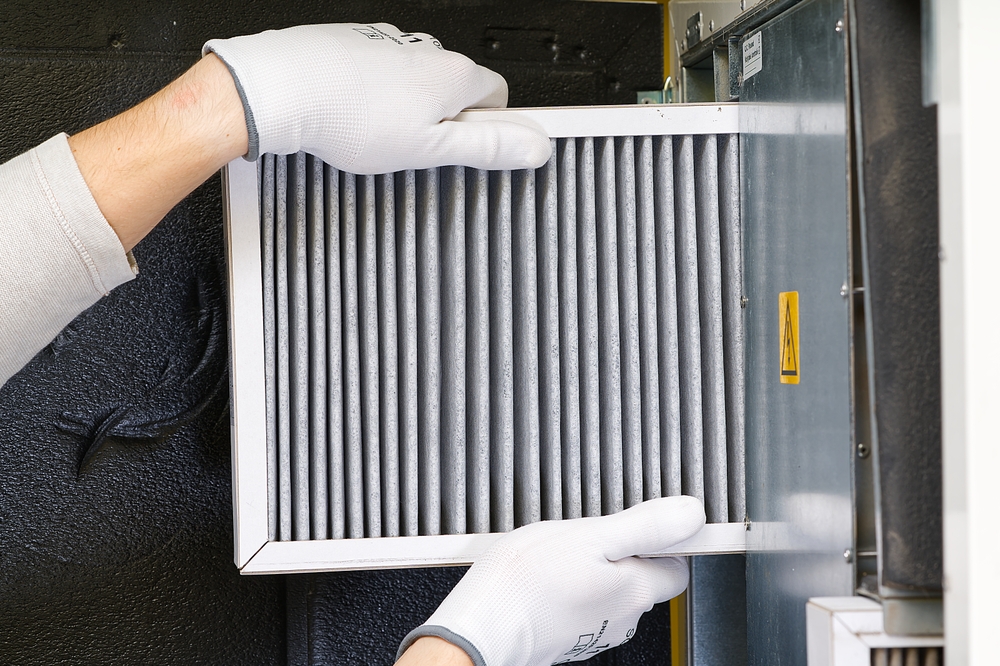
The simplest and the most efficient thing to do is to change your air filter on a regular basis. A blocked filter causes the system to strain more, limits the amount of air in the system, and may even freeze the evaporator coil. Everything is a struggle when the airflow is reduced. Replacing the filter with every one to three months according to the pets and dust content maintains the system breathing as it should.
The other thing that is of assistance is maintaining the outdoor condenser clean. I have found units buried in leaves, overgrown bushes or cottonwood fluff. In cases where the condenser is unable to release the heat, it gets hot and burns out more quickly. Overheating can be avoided by providing it with some open space and hosing it down in the spring.
It depends on your thermostat settings, as well. Turning the temperature down to the bare minimum does not cool your house any quicker, it only makes the system operate longer. The small adjustments or a smart thermostat allow maintaining the humidity low and the comfort constant without excessive load on the equipment.
And a good seasonal checkup is of course the best. When I arrive to maintain my system, I am not only checking on what is wrong with it, I am also ensuring that the system is clean, safe, charged and running efficiently. Early detection of a weak capacitor, dirty coil, or slow leak of refrigerant can save hundreds of dollars and avoid emergency breakdowns during July or August.
Even ductwork can be considered. Poor insulation or leaks may cause your AC to work harder than it should particularly in older homes in East Brunswick. Covering ducts and repairing airflow problems will provide your system with an immediate boost.
Maintaining these few things will ensure that your AC will last longer, have fewer breakdowns, and run more efficiently, which will save you money in the long run.
Conclusion
It is not always easy to choose whether to repair or replace your AC, but when you consider the age of the system, the frequency of its malfunctions, and the prices you are paying to repair it, the answer is often more obvious. In case the unit is relatively new and the problem is that of a minor nature, repair is the most economical option. However, when the system becomes older, less efficient and more costly to maintain alive, replacement can be very cost effective in the long term, particularly with the manner in which East Brunswick summers push AC systems to their limits.
The best thing is to make a decision that is made out of facts, rather than frustration. A technician familiar with the equipment and the impact of New Jersey weather on it will be able to guide you on what makes best sense to your home and your budget.
Don't guess whether you should repair or replace your AC when it is not working or you are trying to determine which would be the wiser choice. Contact a reputable local HVAC company in East Brunswick. A simple check-up and a sincere evaluation can save you hundreds, even thousands of dollars and leave you at ease going into the next heatwave.
You can come and have a no-pressure estimate when you feel like it. It is the most sure way of making a sure choice and ensuring that your home is cool and comfortable throughout the summer.