

Assuming you are a homeowner in East Brunswick and you are asking yourself what a new AC system will really cost in 2025, the truth of the matter is between $6,000 and 10,000 installed. That is a little more than the national average of 5,500-12,500 since New Jersey labor is always 10-15% more expensive and most of the houses here were constructed way before the modern cooling standards.
Being the lead installer at Rich, I have witnessed the effect of the humidity of East Brunswick, the attic designs, and the older designs of the ducts on the final price much more than I thought.
The majority of the houses we work in, particularly the 1,800-3,000 sq ft colonials of Riva Avenue, Cranbury Road, and Milltown, are of 2-ton, 3-ton, or 4-ton.
The tonnage required significantly affects cost. It is the same with the brand you use, the location of the air handler in the attic or the basement, and whether your house requires electrical or duct modifications to accommodate the modern SEER2 equipment.
Here's a quick cost snapshot to help you understand where you might fall:
| Home Size | Tonnage | Installed Cost Range |
|---|---|---|
| 900–1,200 sq ft | 2 Ton | $4,500–$6,500 |
| 1,500–2,000 sq ft | 3 Ton | $6,000–$9,000 |
| 2,200+ sq ft | 4 Ton | $8,000–$12,000 |
Average AC Installation Costs in East Brunswick (2025 Update)
When you consider the statistics of national AC installations, the average price is between 5500 and 12500. Most of the homeowners in East Brunswick are slightly higher, typically between 6,000 and 10,000. The disparity is not due to the fact that contractors here are more expensive simply because they want to be. New Jersey is just more expensive on the cost of a licensed labor and East Brunswick houses are likely to come with their own problems. Older duct, long attic runs and tight basements increase the time of installation and labor is one of the largest elements of your overall price.
Approximately half of the cost is incurred in the equipment itself, on a standard installation. The bulk of the budget is comprised of the condenser, coil, air handler or furnace interface, line set, pad, wiring, and refrigerant materials. Another quarter to a third is usually labor. This involves the replacement of the old system, installation of the new equipment, running and brazing refrigerant lines, altering sheet metal, wiring, testing and commissioning of the system. The rest is allocated to duct modifications, electrical improvements, drain lines and the minor yet essential items that ensure that the system is safe and meets the code.
In 2025, the change was further added. The cost of HVAC equipment grew by approximately 8 percent over the past year due to the rise in material prices and new energy efficiency standards. Luckily, PSE&G rebates are used to subsidize such an increase. Homeowners who install qualifying high-efficiency systems are usually refunded between 800 and 1200 dollars and most of them utilize the incentive to install variable-speed technology which better manages the humidity of East Brunswick.
In order to have a better understanding, consider the price as a pie. The equipment itself occupies the largest portion. The next biggest is labor and this is largely influenced by the level of accessibility of your attic, basement, or slab area. The last slice is comprised of electrical and duct components. In simpler houses, broad basements, short duct runs, sound panels, labor expenses remain on the lower range. Houses that have attic air handlers, small mechanical rooms or old electrical service move to the upper end of the East Brunswick pricing scale.
Each house is unique in its own way, but once you know how these elements interlock, the end estimate will be much more comprehensible. And as we pass through your house we tell you precisely what factors come into play so that you never have to guess where your money is going.
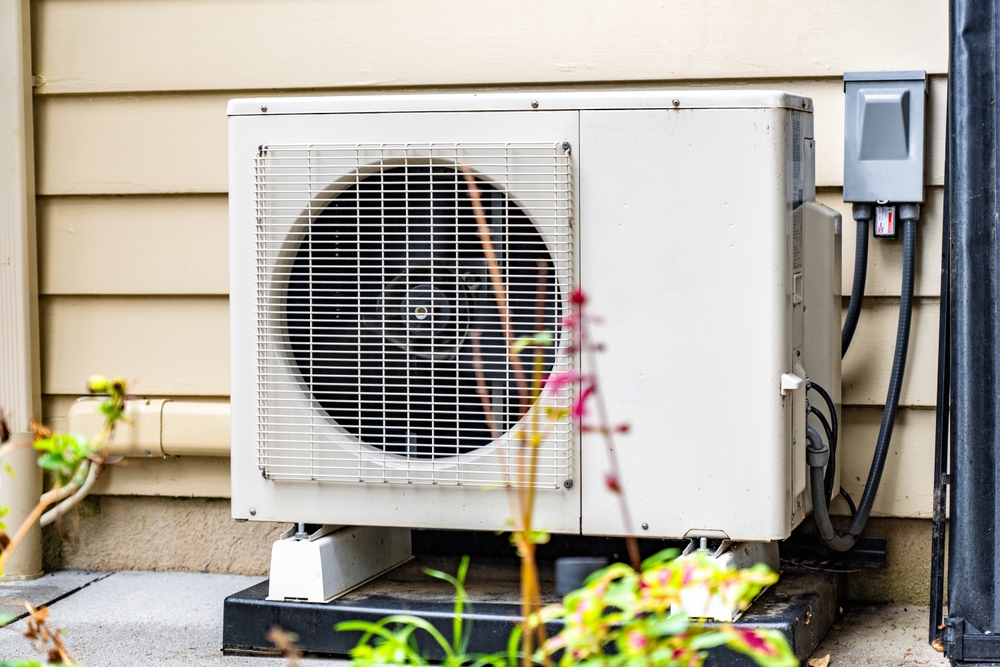
2-Ton vs 3-Ton vs 4-Ton AC System Costs
The first reason why the cost of AC installation can differ in East Brunswick is quite simple: not all houses require the same size of the system. Tonnage, the cooling capacity of your system, is significant in terms of cost, performance and comfort. And in our neighborhood, where the humidity remains high throughout the summer and most houses were constructed prior to the modern HVAC-related standards, the size of the choice is as important as the brand one.
Most of the installs we handle fall into three common categories: 2-ton, 3-ton, and 4-ton systems. Here's how the pricing typically breaks down:
| Tonnage | Home Size | Installed Cost | Typical SEER2 Ratings | Best Fit |
|---|---|---|---|---|
| 2-Ton | 900–1,200 sq ft | $4,500–$6,500 | 14–16 | Small ranches, condos |
| 3-Ton | 1,500–2,000 sq ft | $6,000–$9,000 | 15–18 | Most East Brunswick colonials |
| 4-Ton | 2,200+ sq ft | $8,000–$12,000 | 16–20 | Larger, multi-story homes |
2-Ton Systems: Ideal for Smaller Homes and Condos
A 2-ton unit is suitable in smaller ranches and condos near East Brunswick, and in the newer developments where the insulation level is greater and the ductwork is simple. These systems tend to be the cheapest to install due to the smaller size of the equipment and the fact that the airflow needs are not as high. Humidity control is the primary weakness; when the weather is very hot, a 2-ton unit might have to work harder to squeeze the moisture out of the air, and that is why proper sizing and duct matching are important.
3-Ton Systems: The Most Common Choice in East Brunswick
My most installed size is 3 tons. The majority of the 1960s-1990s colonials and bi-levels in East Brunswick fall exactly within this range. Lawrence Brook, Frost and Central neighborhoods have a higher number of two-story designs, which are more likely to have sufficient square footage, sun exposure, and number of rooms to warrant a 3-ton system.
The combination of a 3-ton unit which is well sized and a modern variable-speed air handler can be a big difference in humidity control particularly on those sticky July and August weeks. When replacing an older system (10-12 SEER) with a newer system, many homeowners realize energy savings of approximately 300 per year. That is to say that the upgrade is recovered in about five to seven years before considering rebate incentives.
4-Ton Systems: For Larger or More Demanding Homes
The larger colonials, extended houses and multi-storey designs around Summerhill Road, Dunhams Corner and Farrington Lake take a 4-ton system to remain comfortable. Such houses tend to have long ducts, numerous points of exposure or additions that increase the heat load. A 4-ton system is more expensive initially, although most of them have two-stage or variable-speed compressors that are quieter and have increased moisture control.
A 4-ton unit is recommended when we are sure that the heat load is too large to be controlled by a smaller unit as a result of a Manual J calculation. Both the oversized and undersized systems are more expensive in terms of utilities and repairs in the long run and thus it is worthwhile to take the time and size the system correctly and save frustration and money.
Choosing the right tonnage is a balance between square footage, insulation, sun exposure, and the home's layout. During a visit, we run a proper Manual J calculation to make sure the system fits your home's needs, not someone else's.
Labor Costs & East Brunswick Challenges
The labor cost may be very different even in the case of two East Brunswick homes that require the same size AC system. The reason is that it is the ease of installation rather than the equipment tag that is moving a large portion of the final price. In Middlesex County, the average cost of licensed HVAC work is approximately 150 per hour, and average installation is 8 to 12 hours, which normally puts labor between 2,000 and 3,500. However, old houses, cramped mechanical spaces, slab floors and attic air conditioning can make the task a considerably more complex one.
The housing stock of East Brunswick was constructed during the period of 1950s-1980s and each decade had its HVAC peculiarities. As I enter a house in an area near Tices Lane, Riva Avenue, or the older neighborhoods nearer to Milltown, I frequently encounter small basement steps, low ductwork, or small mechanical closets that scarcely accommodate tools. These areas make the job slow since it is more time consuming to remove the old system, install the new coil or air handler, and reconnect the wiring.
Another factor is homes that have attic installations. Installations of attics almost always need additional labor due to heat, reduced headroom, increased refrigerant line runs, and the use of a second drain pan with a float switch. Any work involving insulation and maneuvering through rafters is time consuming. It is one of the reasons why so many ranch and split-level houses are located at the upper end of the labor range.
Next are the slab houses, particularly in Summerhill Road pockets and Old Bridge Turnpike. With the furnace or air handler on a slab base, you usually have few paths of return air, and refrigerant lines will usually be forced to be diverted through walls or the garage. The work on these jobs is usually drilling, framing modifications or inventive duct transitions to achieve the correct airflow. Everything is possible, it is just more time-consuming.
Another problem to older homes is the presence of materials such as transite ducts or asbestos insulation around old fittings. In case we discover something that may be asbestos, we stop the job and take it to the attention of the homeowner. Remediation involves a different licensed professional, and the organization of that may add time.
Electrical systems may also be a cost addition. It is not unusual to find a panel upgrade or new breaker in a house that still uses 100-amp service. A 3 ton or 4 ton unit of modern times requires a larger dedicated breaker and heavier-gauge wiring, and we must take all of that up to the standards of the modern electrical code.
Concisely, it is access and home design that explains why one neighbor is more expensive than another; it is not necessarily the AC. Labor comes after the house and each house in East Brunswick has its story.
Brand Pricing: Heil, Trane & Fujitsu
After knowing the tonnage that your home requires, brand is the next big question. The three brands that I install the most in East Brunswick are Heil, Trane, and Fujitsu. All of them suit a type of home and a homeowner. The decision has an impact on cost, comfort, noise, and durability. The following is a clear picture of the prices of each brand as a rule and the reason as to why the East Brunswick homeowners would prefer one brand over the others.
| Brand | System Type | Installed Cost (3-Ton Range) | Why Homeowners Choose It |
|---|---|---|---|
| Heil | Central AC | $6,200–$9,500 | Solid performance and value |
| Trane | Central AC | $7,000–$11,000 | Premium durability and warranty |
| Fujitsu | Ductless Mini-Split | $5,500–$10,000 | Zoned comfort for older or duct-limited homes |
Heil: Strong Performance Without the Premium Price
Heil is a name I usually suggest to people who desire reliable cooling but do not want to enter the high-end price range. Their new models have good humidity control, silent operation, and extended coil life compared to some entry-level systems. With most homes in East Brunswick, particularly the mid-size colonials and bi-levels, Heil offers a comfortable price to features ratio.
Heil installations range between 6200 and 9500 based on tonnage and SEER2 rating. Its performance is good, and future maintenance is likely to be cheap due to the availability of parts. Heil tends to appear on the shortlist of families who want to replace an older unit without spending excessive amounts of money.
Trane: Higher Upfront Cost, Lower Long-Term Worry
The brand that homeowners refer to by name more than any other is Trane. It is reputed to be reliable, silent compressors, and warranties that are industry leading, and most notably, the 12-year compressor warranty. The tradeoff is the price. An average Trane 3 ton system in East Brunswick costs between 7000 and 11000 dollars, depending on the SEER2 level and complexity of installation.
I also observe that many families prefer Trane as they desire something that is constructed to last, particularly with more difficult to cool designs such as two story colonials or homes with expansive extensions. The Trane systems are very effective in humidity and the variable-speed models maintain more uniform temperatures across the floors. In case you intend to remain in your house in the long run, the initial expenditure is normally compensated with the tranquility of mind.
Fujitsu Mini-Splits: Ideal for Homes Without Ductwork
There are older houses in the East Brunswick area that just do not have ducting that fits the current airflow needs. Fujitsu ductless mini-split is a smart and efficient alternative in such cases. A standard multi-zone Fujitsu system is between $5,500 and 10,000 dollars depending on the number of indoor units required.
Mini-splits are particularly applicable to condos, sunrooms, basements and additions to homes where it is not practical to run ductwork. They have sophisticated inverter compressors that constantly regulate output, and this renders them highly energy efficient. Most homeowners claim to save a lot of money, in most cases 20 to 30 percent, monthly since they only cool the rooms they occupy. They are also whisper quiet and hence they suit bedrooms and home offices.
Efficiency and Long-Term Savings Across All Brands
Regardless of the brand of your choice, SEER2 efficiency is a significant factor in your daily comfort as well as your utility bills. The humidity in East Brunswick requires that there be proper airflow and dehumidification and the units that are more efficient manage these requirements in a more comfortable manner. Most of the replacements that we make can reduce the cooling expenses of a homeowner by 15-30 percent in the first year alone.
It is not a brand name that matters but a system that suits the layout of your home, ductwork, and comfort objectives. When we make an in-home visit, we discuss those needs in order to have the system that you have picked to work the way that you expect.
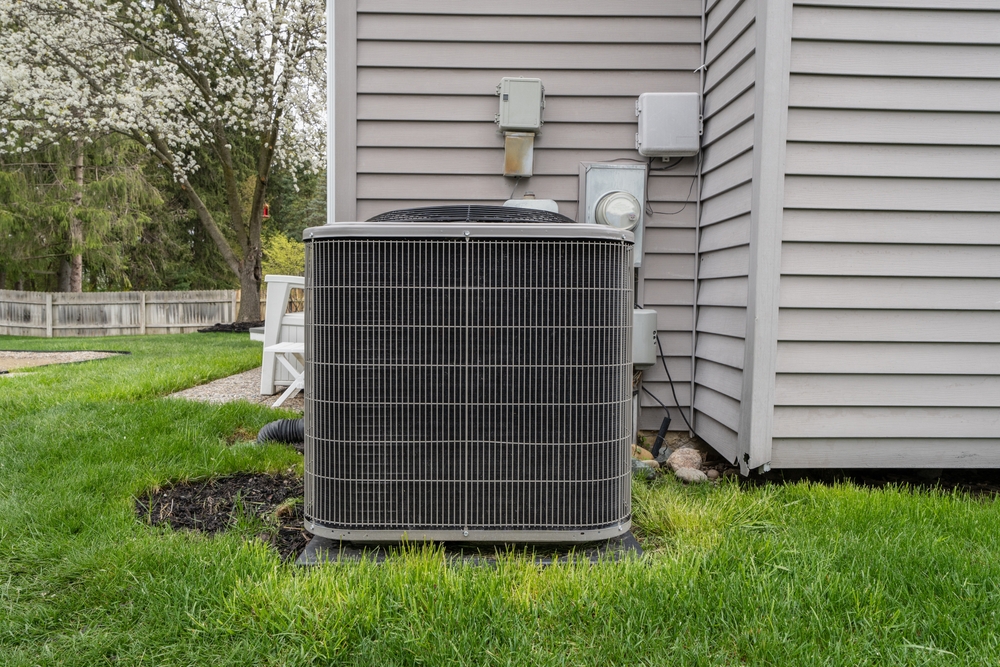
Real Install Scenarios from Rich's Jobs
Cost tables are useful, however, nothing can explain pricing better than what is actually going on in real East Brunswick homes. Having installed systems in over 20 years in Middlesex County, I have realized that there is no two similar projects despite the fact that the homes may appear the same on the outside. The final price is influenced by layout, access, duct condition, electrical service, and even previous work of a contractor. The three cases (anonymity of the information has been preserved) indicate how various houses fall at varying ends of the pricing spectrum.
Scenario 1: 1,800 sq ft Ranch – 3-Ton Trane in the Attic: $8,200 Total
This farm close to Cranbury Road had a 3 ton system that was old and could hardly keep up with humidity during hot days. The air handler was recessed in the attic, and this is common around here, but nearly always increases the amount of work. The current refrigerant lines were too small to fit the current equipment and thus we changed them, added a new secondary drain pan and a float switch which is mandatory by code.
Attic installations are time consuming. There is never easy access between insulation, tight rafters, and 120-degree heat. What should have been a one-day basement installation was a long full-day attic project. The homeowner instantly felt the improvement of airflow and more stable temperatures. Their power bill decreased to approximately 250 a month in the autumn as compared to approximately 450 in the summer since the new variable-speed Trane did not need to struggle as much to keep the home cool and dry.
Scenario 2: 2,500 sq ft Colonial – 4-Ton Heil on a Slab: $10,500 Total
A household close to Summerhill Road was in need of a new system that was oversized and short-cycling. The air handler was mounted on a slab base within a small mechanical closet that barely had the space to take away the old unit. We re-routed refrigerant lines through the garage wall, changed the slab return opening to enhance airflow, and changed the electrical disconnect. The work was done with a lot of cutting, patching and fabrication so as to fit the new equipment into the space without any harm.
Slab homes may appear to be easy, yet they are not. Limitations to access, small closets and concrete returns that are sealed make the job slow and need accurate measurements and planning. After we were done the house cooled even as it had not cooled in years. The family saved on out-of-pocket expenses with a PSE&G rebate on top of the installation and was left with a more efficient, and quieter system.
Scenario 3: 1,200 sq ft Condo – Fujitsu Multi-Zone Mini-Split: $6,800 Total
One of the couples residing in a condo off Route 18 desired proper cooling without having to open the walls or upgrade the duct work. The ideal solution was a two-zone Fujitsu mini-split, one head in the living room and one in the bedroom. The outdoor unit was mounted on the side of the building, the line sets were installed neatly with line hide and a small condensate pump was installed.
This job wrapped up in one day. Installations of mini-splits can be installed fast in case the layout is simple and the zones are designed properly. The contrast in the quietness and comfort was shocking to the homeowners. They now only cool the areas they are used in and instantly reduced summer bills, which are usually 25-30 percent of what they would be with window units or an old-fashioned central system.
These situations demonstrate the reasons why the cost of AC installation in East Brunswick is so different. The equipment is important, yet the home is even more important. Attics, slabs, electrical upgrade, cramped closets, all these details influence the time, planning, and workmanship that will be involved in the installation of a modern system.
NJ Rebates, Financing & Savings Tips
A new AC system is a significant investment, and most East Brunswick homeowners want to know what they can do to bring the upfront cost down. Fortunately, New Jersey offers meaningful incentives that help soften the impact. Between PSE&G rebates, federal tax credits, and seasonal pricing opportunities, many families save more than they expect.
The most helpful program for local homeowners is PSE&G's residential HVAC rebate. High-efficiency systems, especially those in the 15–18 SEER2 range, typically qualify for $800 to $1,200 back. Many of the Heil and Trane models we install meet these requirements, and Fujitsu heat pump systems qualify as well. The rebate application process is straightforward, and we guide customers through it so nothing gets missed.
The federal government also offers a 30 percent tax credit for qualifying high-efficiency equipment through 2032. Combined with the PSE&G incentive, the credit creates a noticeable reduction in the overall project cost. Homeowners who upgrade both their AC and furnace together often benefit the most because the combined system qualifies for multiple categories of incentives.
Financing also plays a big role in making the project manageable. Many East Brunswick customers choose 0 percent interest for 12 months, which spreads out the expense without adding long-term debt. Larger projects, such as replacing both cooling and heating equipment or revising ductwork, can be paired with longer low-interest plans.
Timing influences price as well. Installing a new system in the fall or early winter is usually more affordable because demand drops and schedules open up. Bundling AC and furnace replacements can also save money since much of the labor overlaps. A quick home energy assessment helps determine if duct sealing, insulation adjustments, or airflow balancing could improve comfort without major additional cost.
Finally, make sure your contractor is fully licensed in New Jersey (NJ#13VH). Not only is licensing required, but it also protects warranties and ensures the installation meets state codes.
Frequently Asked Questions
Is a 3-ton AC enough for a 2,000 sq ft East Brunswick home?
Most of the 1,800–2,000 sq ft colonials in East Brunswick work well with a 3-ton system, especially when the ducts are in good condition and insulation is reasonable. A proper Manual J calculation confirms this. Homes with large additions or sunrooms may need more capacity.
Is a mini-split cheaper to run than central air?
In many cases, yes. Ductless systems like Fujitsu cool only the rooms you use, which often leads to 20–30 percent lower summer energy bills. They're especially effective in older homes or condos where ducts are limited.
How long does an AC installation take?
Most installs take one full day. Attic systems, slab homes, and electrical upgrades can push the project into a second day, but that's typically the exception.
Do I need to replace the furnace too?
Not always. If the blower motor is incompatible with modern coils or your furnace is nearing the end of its life, replacing both at the same time usually improves efficiency and reduces long-term labor costs.
Why do attic installs cost more?
Attic work requires more time and safety precautions. Heat, tight access, and longer refrigerant line runs all contribute to higher labor costs.
How do I know what tonnage I need?
Your contractor should perform a Manual J load calculation. Square footage alone rarely tells the full story, especially in older East Brunswick homes with variable insulation and sun exposure.
Get a Clear, Local Price for Your AC Installation
The true cost of AC installation in East Brunswick, NJ usually falls between $4,500 and $12,000, depending on your home's layout, the system size, the labor involved, and the brand you choose. With older colonials, tight attics, and humid summers, a properly sized and carefully installed system makes all the difference in comfort and long-term efficiency. After more than 20 years installing systems throughout Middlesex County, our team knows exactly what it takes to get your home cooling the way it should.
If you're ready for real numbers and professional guidance, you can schedule a free tonnage calculation, request a same-day quote, or compare system options with us today.
Comments