

No heat in the middle of a New Jersey winter is a serious problem. When outdoor temperatures drop near freezing, even a short heating outage can put your comfort, safety, and plumbing at risk.
This is especially true in older NJ homes with aging furnaces, boilers, or oil and gas systems that are already under heavy demand.
Heating failures are one of the most common emergency service calls during New Jersey cold snaps, winter storms, and overnight temperature drops.
The key is knowing what to check first, what not to touch, and when the situation requires immediate professional help. Taking the right steps early can prevent frozen pipes, safety hazards, and costly damage.
Why Your Heat Stops Working in NJ Winters
New Jersey winters are especially hard on heating systems. Long cold stretches, overnight lows in the teens, and sudden weather swings put constant strain on furnaces, boilers, and heat pumps.
When a system fails in winter, it is rarely random. There are a few common causes we see repeatedly across NJ homes.
One major factor is power related issues. Winter storms, nor’easters, and heavy wind can cause brief outages or voltage fluctuations.
Even a short power interruption can trip a furnace safety switch, shut down a control board, or reset a thermostat without you realizing it. In many cases, the system stays off until it is manually checked.
Another frequent cause is thermostat problems. Dead batteries, incorrect settings, or failed Wi Fi thermostats are especially common during cold weather.
We often find systems that are working properly but never receive the signal to turn on. In older New Jersey homes, thermostat wiring issues can also surface when temperatures drop and materials contract.
Restricted airflow is another winter culprit. Dirty air filters, closed vents, or blocked returns can cause furnaces to overheat and shut down as a safety measure.
This happens often after homeowners seal up their homes for winter without realizing airflow has been reduced too much.
For homes with oil or gas heating, ignition and fuel delivery issues are common. Pilot lights can go out, flame sensors can become dirty, and oil nozzles or filters can clog, especially during long cold stretches when the system runs constantly.
These problems often show up suddenly, even if the system seemed fine the day before.
Finally, condensate and exhaust problems affect many high efficiency furnaces in New Jersey.
Freezing temperatures can cause condensate lines or exhaust pipes to freeze or back up, triggering safety shutoffs. This is a very common cause of no heat after extremely cold nights.
Understanding why heat failures happen helps you respond calmly and safely. Next, we will walk through the exact steps you should take first, in the right order, before calling a professional.

Step by Step: 7 First Actions Before Calling a Pro
When your heat stops working during a New Jersey winter, it is important to slow down and approach the situation carefully. Many homeowners panic and either start flipping switches at random or attempt fixes that can make the problem worse.
The goal of these steps is not to repair the system yourself, but to safely identify common issues and protect your home while help is on the way.
These actions are ordered from safest and simplest to more involved checks. If at any point you smell gas, hear unusual noises, or feel unsure, stop immediately and call a professional.
Safety always comes first, especially in older New Jersey homes where heating systems and wiring may not meet modern standards.
1. Check Your Thermostat Settings and Batteries
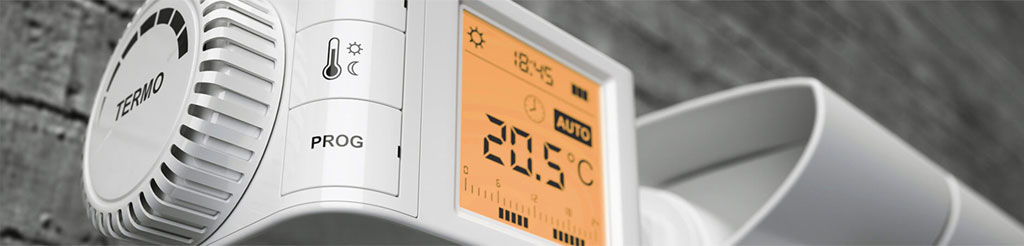
Start with the thermostat, even if it seems obvious. Make sure it is set to Heat, not Cool or Off. Raise the temperature at least five degrees above the current room temperature and wait a minute to see if the system responds. If your thermostat uses batteries, replace them. Weak batteries are one of the most common causes of no heat calls in New Jersey winters, especially after long cold nights. For Wi Fi thermostats, confirm the screen is on and the system is still connected.
2. Look at the Circuit Breaker and Furnace Switch
Check your electrical panel for any tripped breakers labeled furnace, boiler, or HVAC. Reset the breaker once. If it trips again, stop and call a professional. Next, locate the furnace or boiler switch. Many New Jersey homes have a light switch near the unit or at the top of basement stairs. These switches are often turned off accidentally.
3. Check and Replace a Dirty Air Filter
A clogged air filter can cause the system to overheat and shut itself off as a safety measure. This is very common during winter when heating systems run longer cycles. Remove the filter and hold it up to a light. If light does not pass through, replace it with the correct size and airflow rating. Never run the system without a filter installed.
4. Inspect for Frozen Condensate or Exhaust Pipes
High efficiency furnaces often have PVC pipes that run outside the home. During freezing weather, these pipes can ice over or become blocked. If you see ice buildup, gently warm the area with a towel soaked in warm water. Do not use sharp tools, boiling water, or open flames.
5. Seal Drafts to Hold Heat In
While troubleshooting, reduce heat loss by closing unused rooms, blocking drafts under doors, and closing curtains at night. This helps maintain indoor temperatures and lowers the risk of frozen pipes.
6. Use Space Heaters Safely and Sparingly
If temporary heat is needed, use electric space heaters only. Keep them at least three feet away from anything flammable and plug them directly into a wall outlet. Never use kerosene, propane, or outdoor heaters indoors. Do not leave space heaters running unattended or overnight.
7. Check the Pilot Light Only If It Is Safe
If your system has a pilot light and you do not smell gas, you may visually check to see if it is lit. If you smell gas or are unsure, do not attempt to relight it. Follow the manufacturer instructions exactly. Many modern systems do not have pilot lights, so only perform this step if you are certain your system uses one.
Dangers of Ignoring No Heat Emergencies in New Jersey
Going without heat in the middle of a New Jersey winter is more than just uncomfortable. When temperatures drop into the 20s or teens, the risks to your health and your home increase quickly. Even short delays can turn a manageable repair into a much larger and more expensive problem.
One of the biggest concerns is frozen and burst pipes. When indoor temperatures fall below freezing, water lines in exterior walls, basements, crawl spaces, and second-floor bathrooms are especially vulnerable.
A frozen pipe can burst without warning, causing thousands of dollars in water damage once temperatures rise. In New Jersey, winter pipe repairs and cleanup regularly exceed several thousand dollars, not including damage to flooring, drywall, or personal belongings.
Health and safety risks also increase when heat is lost. Cold indoor temperatures can be dangerous for young children, older adults, and anyone with medical conditions.
Some homeowners try to compensate with unsafe heating methods, which raises the risk of carbon monoxide exposure, fire hazards, and electrical overloads.
Improper use of space heaters or fuel-burning devices is one of the leading causes of winter house fires.
There is also the risk of hidden system damage. When a furnace or boiler repeatedly tries and fails to start, internal components such as control boards, ignitors, and motors can be stressed or damaged further.
What might have been a simple fix early on can turn into a more complex repair if the system continues cycling without proper diagnosis.
In New Jersey rental properties and multi-family homes, lack of heat can also create legal and habitability issues. Tenants are entitled to safe living conditions, and prolonged heat outages can lead to violations, complaints, or emergency intervention.
Even in single-family homes, insurance claims related to freeze damage can be denied if heat loss was ignored or unsafe actions were taken.
If your home temperature is dropping, pipes are at risk, or you are relying heavily on temporary heat, it is no longer a wait-and-see situation. At that point, professional help is not just recommended, it is necessary.
When to Call NJ HVAC Pros Immediately
Some heating problems can wait a short time. Others cannot. Knowing the difference can protect your home, your health, and your wallet during a New Jersey winter.
You should call a professional for emergency heating service right away if your system shows any of the following warning signs. These issues often indicate safety risks or system failures that should not be handled without proper training.
Call immediately if you smell gas, notice a burning odor, or hear loud banging, grinding, or screeching sounds coming from the furnace or boiler. These symptoms can point to gas leaks, electrical problems, or failing mechanical components. Do not attempt to reset or restart the system in these situations.
Another clear sign is repeated system shutdowns. If the furnace turns on briefly and then shuts off, or if it will not start at all after basic checks, continuing to cycle the system can cause additional damage. Error codes on the furnace display, water leaks around the unit, or visible corrosion are also signs that professional diagnosis is needed.
Loss of heat combined with falling indoor temperatures is especially urgent. If your home temperature drops below safe levels, or if pipes in exterior walls or upper floors are at risk of freezing, waiting can lead to burst pipes and extensive water damage. This is common in older New Jersey homes with minimal insulation or aging heating systems.
Finally, if you rely on temporary heating and feel unsure about safety, it is time to stop troubleshooting. Emergency heating service exists for these exact situations. A trained technician can identify the issue quickly, restore heat safely, and prevent secondary damage.
NJ Winter Heating Prevention Tips
Once your heat is restored, a few preventive steps can help reduce the chances of another breakdown during the rest of the winter. Many no-heat calls we see in New Jersey happen to systems that were already under strain before the cold weather arrived.
Start with regular filter changes. During winter, filters should be checked at least once a month. A clean filter improves airflow, reduces stress on the system, and helps prevent safety shutdowns caused by overheating.
Schedule annual furnace or boiler maintenance before peak cold sets in, or as soon as possible if winter is already underway. A professional inspection can catch issues like dirty flame sensors, weak ignitors, clogged oil nozzles, or failing electrical components before they cause a full loss of heat.
Pay attention to exterior vents and exhaust pipes. After snowstorms or freezing rain, make sure intake and exhaust pipes remain clear. Ice buildup and snow blockages are a common cause of mid-winter shutdowns in New Jersey, especially with high efficiency systems.
Seal drafts and improve insulation where possible. Even small gaps around doors, windows, and attic access points can increase heat loss and force your system to run longer than necessary. This extra strain shortens equipment lifespan and raises the risk of breakdowns during extreme cold.
Finally, keep an eye on system behavior. New noises, short cycling, inconsistent heat, or rising energy bills are early warning signs. Addressing these issues early is far less expensive than dealing with an emergency no-heat situation in the middle of a winter storm.

Frequently Asked Questions
Can I use my fireplace if my furnace stops working?
In some cases, yes, but only if the fireplace is in good working condition and properly vented. A wood burning or gas fireplace can provide limited heat to one area of the home, but it is not a replacement for a central heating system. Never use a fireplace if you are unsure about ventilation or if it has not been inspected. Portable or decorative fireplaces should never be used as a primary heat source.
How cold is too cold inside my house during winter?
Once indoor temperatures fall below the low 50s, the risk of frozen pipes increases, especially in exterior walls, basements, and upper floors. For health and safety, indoor temperatures should be kept well above this level, particularly for children, older adults, and pets. If temperatures are dropping and heat cannot be restored quickly, professional service should be called.
Is it safe to leave space heaters on overnight?
No. Space heaters should never be left running unattended or while sleeping. They are intended for short term, supervised use only. Leaving a space heater on overnight increases the risk of fire and electrical overload. If you are relying on space heaters to stay warm, it is a sign that your heating system needs immediate attention.
Why did my heat stop working after a very cold night?
Extreme cold puts additional stress on heating systems. Components such as ignitors, flame sensors, control boards, and condensate lines are more likely to fail or freeze during long cold stretches. In New Jersey, it is common for no heat issues to appear after overnight temperatures drop into the teens or lower.
Should I shut off my water if I lose heat?
If heat will be out for an extended period and indoor temperatures are dropping, shutting off the main water supply can help reduce the risk of burst pipes. You may also want to open faucets slightly to relieve pressure. If you are unsure how long heat will be out, contact a professional for guidance.
When is no heat considered an emergency in New Jersey?
No heat is considered an emergency when outdoor temperatures are near or below freezing, indoor temperatures are falling, or there is a risk to health or property. Situations involving gas smells, unusual noises, water leaks, or reliance on temporary heating should always be treated as emergencies.
Comments