

If your second floor feels like a sauna in July while your first floor is perfectly comfortable, you're not alone. We hear this every summer from homeowners in Metuchen, Old Bridge, East Brunswick, and throughout Middlesex County. At Rich's Heating and Cooling, we've been diagnosing and solving exactly this problem — with zoned HVAC systems designed for New Jersey's colonial homes, split-levels, and older builds with complicated ductwork.
Uneven temperatures and high energy bills are common complaints. One floor is too hot, another too cold, and the system runs constantly trying to compensate. A zoned HVAC system is designed to solve exactly that.
But zoning isn't the right solution for every home. Before investing, you need an honest look at your situation. This guide covers what zoning is, how it applies to New Jersey's climate, and whether it's actually worth it — based on what we've seen in homes just like yours.
A Real Job From Our Service Area
What Is a Zoned HVAC System?
A zoned HVAC system divides your home into separate areas, called zones, each controlled by its own thermostat. Instead of heating or cooling the entire house to one temperature, the system delivers conditioned air only where it's needed, when it's needed.
Three core components make this work:
Dampers: installed inside the ductwork, they open and close to control airflow to each zone
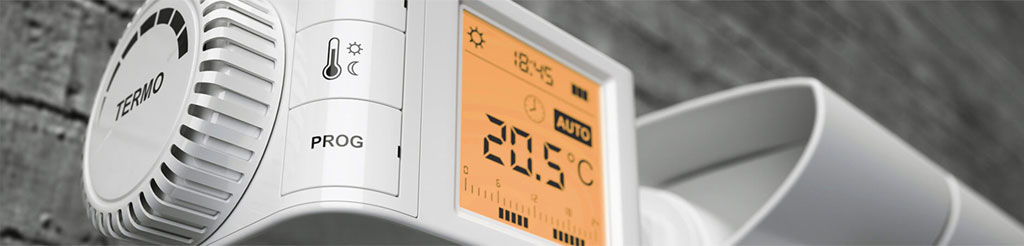
Zone thermostats: each zone has its own, allowing independent temperature control
Control panel: the central hub that coordinates damper positions based on thermostat signals
In a traditional single-zone system, one thermostat controls everything. If that thermostat is satisfied, the system shuts off regardless of what's happening in the rest of the house. Zoning eliminates that limitation.
How New Jersey's Climate Impacts HVAC Needs
New Jersey doesn't get a break from its weather. Winters are cold, summers are humid and regularly push into the 90s with high humidity in Middlesex County — and your HVAC system is expected to perform reliably through both. That dual demand puts consistent stress on any system, but it hits harder in homes where airflow and temperature distribution are already uneven.
Whether you're in a 1960s colonial in Metuchen, a split-level in Old Bridge, or a newer construction in East Brunswick, the physics work against you. Heat rises naturally, so upper floors tend to run warmer in summer and can be harder to heat efficiently in winter. Homes built before modern HVAC standards often have ductwork that was never designed for today's systems, making balance even harder to achieve.
In mild climates, minor temperature imbalances are manageable. In New Jersey, where you're running heating and cooling for a significant portion of the year, those imbalances translate directly into discomfort and wasted energy.
Signs Your NJ Home Might Need HVAC Zoning
Not every comfort problem requires zoning. Use this checklist to evaluate your home:
Your second floor is consistently warmer in summer or harder to heat in winter
Rooms go unused but stay heated/cooled (guest rooms, finished basements, home offices)
Your home is multi-story or larger than 2,000 sq ft
South- or west-facing rooms overheat in afternoon sun
Energy bills are consistently high with no clear cause
Different family members are always fighting over the thermostat
If three or more of these apply to your home, zoning deserves serious evaluation. Call Rich's for a free assessment: (732) 433-0068
When a Zoned System May Not Be Necessary
Zoning is a legitimate solution, but it's not always the right one. In some cases, the investment won't deliver a meaningful return.
Small or single-level homes. If your home is compact and single-story, one thermostat can reasonably manage conditions throughout. Temperature imbalances are less likely, and the cost of zoning rarely justifies the benefit.
A system that's already performing well. If your current HVAC maintains consistent comfort and your energy bills are reasonable, zoning may add complexity without adding value.
Homes already using ductless mini-splits. Mini-splits operate independently by design, giving you room-level control without a zoned ducted system. If you've already gone that route, zoning is redundant.
Budget constraints with marginal benefit. Zoning has real upfront costs. If your comfort issues are minor or can be addressed through simpler fixes like duct balancing, insulation improvements, or thermostat upgrades, those should be explored first.
The goal is the right solution for your home, not the most complex one.
Pros and Cons of Zoned HVAC Systems
Pros
Customized comfort by area. Each zone operates independently, so different floors or rooms can be set to different temperatures based on actual use and preference.
Reduced energy waste. Conditioning only the spaces that need it, rather than the entire home, can lower overall energy consumption — particularly in larger Middlesex County homes.
Less strain on the system. When the system isn't working to satisfy a single thermostat reading for the whole house, it runs more efficiently and with less wear over time.
Flexibility for different schedules. Households where people are in different parts of the home at different times benefit from the ability to condition only active spaces.
Cons
Higher upfront cost. Zoning requires additional components and labor. It is a more significant investment than a standard system replacement.
Installation complexity in older NJ homes. Retrofitting zoning into existing ductwork — especially in Metuchen colonials or Old Bridge split-levels from the 60s and 70s — requires careful design. Poorly planned installations can create pressure imbalances.
Requires proper professional design. Zoning done wrong can cause more problems than it solves. The system needs to be sized and configured correctly from the start.
Brands We Zone at Rich's Heating & Cooling
Rich's designs and installs zoned systems around the equipment you already have — or helps you select new equipment that's ideal for zoning. We're experienced with airflow requirements and damper configurations for:
Trane air handlers and central systems
Daikin heat pumps and air handlers
Mitsubishi multi-zone setups
Carrier central systems
Whether you're looking to zone a single Daikin system or need us to design a multi-zone setup from scratch around a Trane air handler, we've done it before — in NJ homes just like yours.
Cost of Installing Zoned HVAC in New Jersey
Zoning costs in New Jersey typically range from $3,000 to $10,000 or more, depending on your home and existing setup. Key variables include:
Home size and number of zones. More zones mean more dampers, thermostats, and control components. A two-zone system in a smaller home will cost considerably less than a four or five-zone system in a large multi-story property.
Existing ductwork condition. If your ductwork is in good condition and compatible with zoning, installation is more straightforward. Older or undersized ductwork — common in pre-1980 NJ homes — may need modification or replacement.
New construction vs. retrofit. Installing zoning during a new build or full system replacement is significantly less expensive than retrofitting it into an existing system.
NJ Clean Energy Program rebates. Qualifying upgrades may be eligible for rebates through the NJ Clean Energy Program. Rich's can help you identify which components qualify and assist with the application process.
A professional assessment is the most reliable way to get an accurate cost estimate for your specific home.
The Zoning Installation Process: What to Expect
Free assessment — A Rich's technician evaluates your ductwork, system capacity, and home layout
Zone design — We map your home into zones based on usage patterns, sun exposure, and floor layout
Damper installation — Motorized dampers are installed at key duct branches
Thermostat placement — Individual thermostats are mounted in each zone
Control panel wiring — The central controller is connected and programmed
System testing and balancing — We run the full system, verify airflow, and make adjustments
Most retrofit installs in NJ homes take 1–3 days, depending on ductwork complexity and the number of zones. New construction or full system replacement installs are typically faster.
What to Ask a Zoning Contractor
Are you licensed and insured in New Jersey?
Have you installed zoning systems in homes similar to mine (colonial, split-level, ranch with addition)?
Will you assess my ductwork before recommending a zone count?
Which brands of dampers and controls do you use, and why?
What happens to system pressure if only one zone is calling for air?
Do you handle NJ Clean Energy rebate paperwork?
Are you licensed and insured in New Jersey?
Have you installed zoning systems in homes similar to mine (colonial, split-level, ranch with addition)?
Will you assess my ductwork before recommending a zone count?
Which brands of dampers and controls do you use, and why?
What happens to system pressure if only one zone is calling for air?
Do you handle NJ Clean Energy rebate paperwork?
Comments