
Richs Heating And Cooling LLC
Heating Repair, Air Conditioning Repair and HVAC Company
Heating Repair, Air Conditioning Repair and HVAC Company
If your heat just stopped working, Rich's Heating and Cooling is available right now — 24/7 — for emergency heating repair across Central New Jersey. Call (732) 433-0068. While you wait, here is exactly what to check first, and when to stop and call us immediately.
After years of responding to no-heat calls across Central NJ — from aging boilers in older Metuchen homes to heat pump failures in newer Old Bridge developments — our technicians have seen every cause of winter heating failure. This guide gives you the same sequence our dispatchers walk homeowners through when they call in.
Some heating problems are minor. Some are emergencies. The difference matters, and this guide will help you tell them apart. Follow the steps in order. Do not skip ahead.
Do not touch your thermostat, reset your furnace, or check any switches until you have ruled out the following. These are not troubleshooting steps — they are safety checks that come first, every time.
A burning smell coming from your vents or furnace is not normal. It can indicate an overheated heat exchanger, an electrical problem, or debris burning off inside the system. If the smell is strong, persistent, or accompanied by smoke or visible scorching around the unit, leave the home and call 911.
A faint dusty smell when the heat first kicks on at the start of the season is common and usually harmless. Anything beyond that warrants caution.
Once you have confirmed there is no immediate danger, start here. These are the most common causes of a sudden no-heat situation and require no tools and no technical knowledge. Work through them in order.
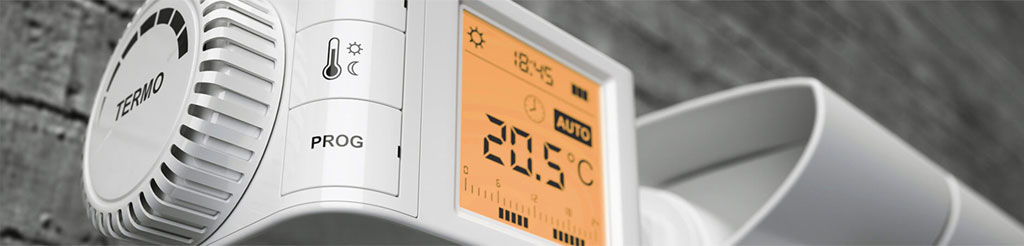
What you're looking for: Confirm the thermostat is set to HEAT, not COOL or FAN ONLY. Make sure the temperature is set at least five degrees above the current room temperature.
If the display is blank or unresponsive, replace the batteries before assuming anything is wrong with your furnace. A dead thermostat battery is one of the most common reasons heat stops working.
What you're looking for: Go to your electrical panel and look for any tripped breakers. A tripped breaker will sit in the middle position between ON and OFF.
Reset it by switching it fully to OFF first, then back to ON. Also confirm your furnace switch is ON — some systems have a dedicated breaker labeled FURNACE or HVAC.
What you're looking for: Locate the furnace power switch — it looks like a standard light switch and is usually mounted on the wall near the unit or at the top of the basement stairs. Confirm it is in the ON position.
Also check for an emergency shutoff switch if your system has one. These are typically red and located near the furnace or at the entry point to the mechanical room.
If the basics checked out and your heat is still not working, move on to these. These are the next most common causes of heating failure during a Central NJ winter — and most are visible without opening anything up.
What you're looking for: A dirty filter is one of the leading causes of furnace shutdowns. When airflow is restricted, your furnace overheats and shuts itself off as a safety measure.
Locate your filter — typically found in the return air duct or inside the furnace cabinet — and pull it out. If it is gray, clogged, or visibly packed with dust, replace it before restarting the system. Filters should be replaced every one to three months.
What you're looking for: Walk through your home and check that all supply and return vents are open and unobstructed. Furniture, rugs, and closed registers can restrict airflow enough to cause the system to shut down.
Then go outside and locate your furnace exhaust pipe. In a Central NJ winter — especially after a nor'easter or overnight temperatures below 20°F — snow and ice can accumulate around or inside the pipe and block it completely. A blocked exhaust will trigger a safety shutoff. Clear any visible obstruction carefully and check whether the system restarts.
In the older homes we service across Central NJ, frozen condensate lines are one of the top causes of mid-winter shutdowns — especially after overnight lows drop below 20°F.
What you're looking for: Modern furnaces use an electronic igniter rather than a standing pilot light. If the igniter fails, the burner will not light and you will get no heat.
You may hear the furnace attempt to start, cycle, and shut back down repeatedly. This is a sign the igniter or flame sensor needs professional attention. If your system has a pilot light and it is out, check your furnace manual for the manufacturer's relighting instructions. If the pilot will not stay lit after following those steps, stop and call for service.
Reset once. Observe. If the system comes on and stays on, you may be done. If it shuts down again within minutes, stop cycling the system.
There is a point where continuing to reset or restart your furnace stops being helpful and starts being a risk.
Banging, screeching, rattling, or sustained clicking from your furnace are not normal operating sounds. Neither is a chemical smell, an oily odor, or anything that smells like burning plastic or rubber. These are indicators of a mechanical or electrical problem inside the unit that requires a trained technician.
Do not attempt to open the furnace cabinet to investigate. Turn the system off at the switch and call for professional service.
If you have worked through every step in this guide and your home is still not heating, stop troubleshooting. At this point the issue is beyond a simple fix.
In a Central NJ winter, a no-heat situation that cannot be resolved quickly becomes a health and safety concern — particularly for older adults, young children, and anyone with a medical condition. Rich's Heating and Cooling offers 24/7 emergency heating service across Central NJ. One call gets a licensed technician to your door.
Rich's Heating and Cooling is factory-trained and experienced on the full range of systems found in Central NJ homes — from older oil furnaces in established neighborhoods to modern ductless mini-splits in newer construction:
Gas furnaces — Trane, Carrier, Lennox, Rheem
Ductless mini-splits — Mitsubishi, Daikin
Boilers — oil and gas systems
Heat pumps — residential systems
Oil systems — including oil tank-related issues
If your system brand is not listed, call us anyway. Our technicians carry parts and diagnostic equipment for the full range of systems in the Central NJ market.
If you are renting and your heat is out, the responsibility for repair does not fall on you — but knowing what to do and who to contact will help you get it resolved faster.
New Jersey law requires landlords to provide adequate heat during the heating season, which runs from October 1 through May 1. During this period, indoor temperatures must be maintained at a minimum of 68 degrees Fahrenheit between 6:00 AM and 11:00 PM, and at least 65 degrees Fahrenheit overnight. These are legal minimums, not suggestions.
Start with your landlord or property manager. Notify them in writing — even if you also call or text — so there is a record of the complaint and the date it was made.
If your landlord does not respond promptly or refuses to make repairs, you have options. Contact your local housing code enforcement office or municipal health department to file a complaint. In some cases, tenants may also have the right to withhold rent or arrange for repairs and deduct the cost, but these steps carry legal weight and should not be taken without understanding the process first.
For guidance specific to your situation, contact the New Jersey Department of Community Affairs or a local tenant rights organization. New Jersey tenant protections during the heating season are clear and enforceable.
The best time to find a heating problem is before the temperature drops. A few simple habits can significantly reduce the chance of losing heat when you need it most.
Replace your filter every one to three months. Mark the date on the filter when you install it.
Test your thermostat before cold weather arrives. Switch it to HEAT and confirm the system responds.
Check your carbon monoxide detectors and replace batteries annually. If your detector is more than seven years old, replace the unit.
Clear vents and registers throughout your home. Make sure furniture has not shifted to block airflow.
Inspect your exhaust pipe before winter sets in. Check for debris, nesting material, or any obstruction.
Schedule a professional furnace tune-up every year, ideally in early fall before the heating season begins. Central NJ nor'easters and coastal wind events can drop temperatures fast — scheduling a pre-season tune-up in September or October is the best protection against a mid-winter breakdown.
A licensed HVAC technician will inspect the heat exchanger, test the igniter and flame sensor, check electrical connections, and confirm the system is operating safely and efficiently. Catching a worn part in September costs far less than an emergency repair call in January.
If your furnace is more than fifteen years old, ask your technician about its remaining service life. An aging system that has already failed once during a New Jersey winter is a system that will likely fail again.
The most common causes are a tripped breaker, a dead thermostat battery, a clogged filter, or a furnace safety shutoff triggered by restricted airflow. In winter, a blocked exhaust pipe from snow or ice accumulation is also a frequent cause — especially after Central NJ overnight lows dip below 20°F. Work through the checklist above in order before assuming the problem is a major mechanical failure.
Start with your thermostat. Confirm it is set to HEAT and that the temperature is set above the current room temperature. If the display is blank, replace the batteries. If the thermostat looks fine, check your breaker panel and confirm the furnace switch is in the ON position. These three checks resolve the majority of no-heat calls.
It is an emergency if you smell gas, your carbon monoxide detector is sounding, you see smoke or smell burning coming from the unit, or indoor temperatures are dropping to unsafe levels and you cannot restore heat quickly. In any of these situations, do not troubleshoot. Call 911 or Rich's at (732) 433-0068 immediately.
You can attempt one reset. If the system shuts down again immediately or the same problem returns within minutes, stop. Repeated resets on a malfunctioning furnace can cause additional damage or mask a problem that needs professional diagnosis. Reset once, observe, and call Rich's at (732) 433-0068 if the issue persists.
Rich's Heating and Cooling serves Central New Jersey including Metuchen, Old Bridge, New Brunswick, South River, Dunellen, Cranbury, East Brunswick, North Brunswick, and surrounding communities. Call (732) 433-0068 to confirm service availability in your area.
New Jersey law requires landlords to maintain a minimum indoor temperature of 68 degrees Fahrenheit between 6:00 AM and 11:00 PM, and 65 degrees Fahrenheit overnight, from October 1 through May 1. If your landlord is not meeting this requirement, notify them in writing immediately. If they do not respond, contact your local housing code enforcement office or the New Jersey Department of Community Affairs to file a formal complaint.

Comments