

New Jersey homeowners deal with some of the most demanding indoor comfort challenges in the country. Hot, humid summers, shoulder seasons with wide temperature swings, and winter cold that regularly drops into the teens.
In multi-story homes especially, this creates a common and frustrating pattern: the thermostat says the right number, but certain rooms never feel quite comfortable no matter how much you adjust the thermostat.
We see this issue constantly in New Jersey colonials, split-levels, and homes with finished basements.
A single thermostat tries to control the entire house, but heat rises, basements stay cooler, and rooms with lots of sun exposure warm up faster than shaded areas. The result is hot upper floors in summer, cold lower levels in winter, high energy bills, and HVAC systems that run longer than they should.
This is where zoned HVAC systems enter the conversation. HVAC zoning is often presented as a premium upgrade, but the reality is more nuanced.
Zoned systems can be extremely effective for the right New Jersey homes, but they are not necessary or cost-effective in every situation. The key is understanding how zoning works and whether it actually solves the specific comfort and efficiency problems in your home.
In this guide, we will break down how zoned HVAC systems work, where they make the biggest difference in New Jersey homes, what they cost, and how to decide if zoning is worth the investment for your home.
What Is a Zoned HVAC System?
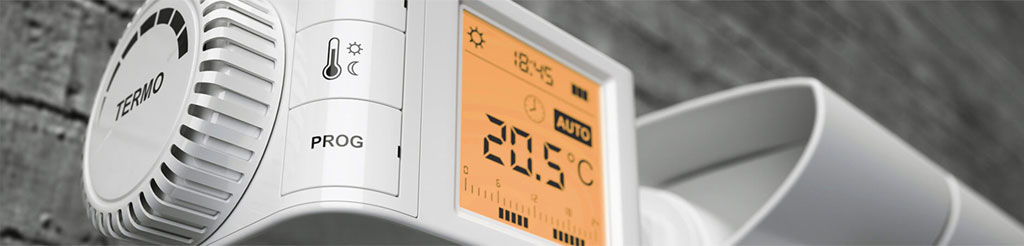
A zoned HVAC system divides a home into separate areas, called “zones,” that can be heated or cooled independently using multiple thermostats, a central control panel, and motorized dampers inside the ductwork.
Each thermostat monitors the temperature in its assigned zone. When a zone needs heating or cooling, the thermostat sends a signal to the control panel, which opens the dampers serving that zone and closes or partially closes dampers to areas that do not require conditioning.
In a traditional single-zone system, one thermostat controls the entire home. The system runs until that thermostat is satisfied, even if certain rooms are too warm or too cool. This is why homes with only one thermostat often experience hot upper floors in summer and cold rooms in winter.
Zoning solves this control issue. Each level or area of the home can call for heating or cooling based on its actual temperature. Instead of treating the whole house as one uniform space, zoning recognizes that different parts of the home have different needs and allows the HVAC system to respond to actual conditions, not an average temperature from one location.
How Zoning Works in Real Homes
In a typical New Jersey multi-story home, zoning is often set up by floor. For example, the first floor may be one zone, the second floor a second zone, and a finished basement a third zone. Each zone has its own thermostat, allowing occupants to adjust temperatures based on usage and comfort needs.
When the second floor calls for cooling on a hot summer afternoon, the system directs more cold air upstairs, while reducing or stopping airflow to the first floor once it reaches the set temperature. In winter, if the basement feels too cold, the system can send more warm air there without overheating the rest of the house.
Zoning can also be applied to specific areas such as:
- Home offices
- Sunrooms or additions
- Finished basements
- Guest rooms
- Bonus rooms above garages
This flexibility is especially useful in homes where certain spaces are used only part of the day or seasonally.
Components of a Zoned HVAC System
Most residential zoned HVAC systems include:
- Multiple thermostats, one for each zone
- A zoning control panel that manages system operation
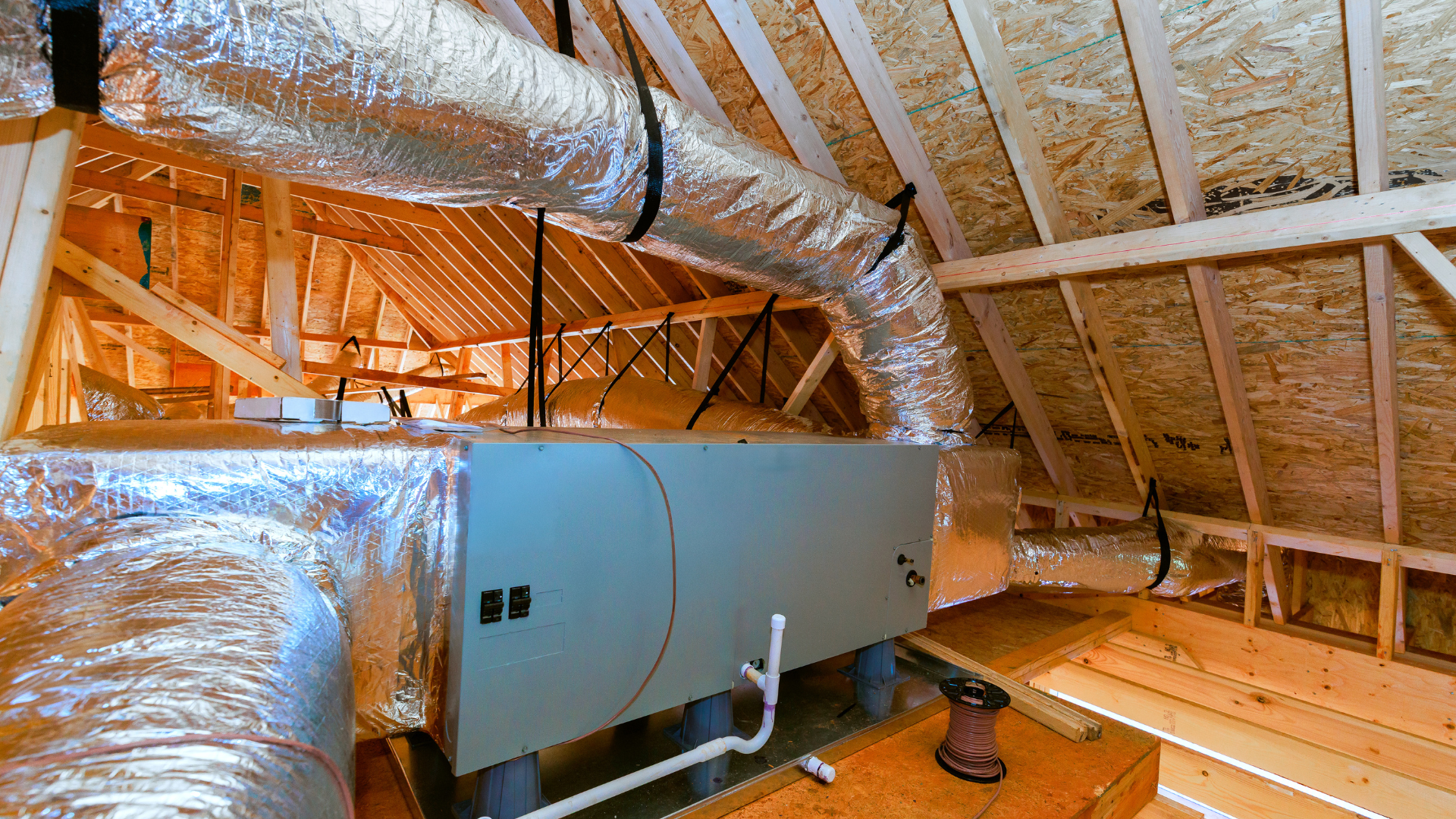
- Motorized dampers installed inside the ductwork
- Temperature sensors (in some setups)
- The existing furnace, air handler, and air conditioner or heat pump
The control panel acts as the “brain” of the system. It receives signals from each thermostat and opens or closes dampers to direct airflow accordingly. Modern zoning systems can also integrate with smart thermostats and Wi-Fi controls, allowing homeowners to manage zones from their phones.
The dampers open and close automatically based on thermostat calls. When installed and balanced properly, homeowners should not hear or notice them operating – they simply experience more consistent comfort. Proper design and installation are critical to ensure that zoning improves comfort without overworking the HVAC equipment.
Why Zoning Is Common in New Jersey Homes
Zoned HVAC systems are particularly effective in New Jersey because of the state’s climate and housing stock. Many homes in the region are older, multi-story structures with finished basements, additions, or converted attic spaces. These layouts naturally create temperature differences between floors.
In addition, New Jersey’s climate demands both strong heating and reliable air conditioning. Homes must perform in humid summers, chilly spring and fall days, and cold winters. This kind of year-round demand amplifies any weaknesses in the HVAC system and rewards homes that benefit from precise control rather than a one-size-fits-all approach.
Zoning is not about making the system more powerful. It is about making the system smarter. By sending heating and cooling exactly where it is needed, zoning can improve comfort and reduce wasted energy in homes where different parts of the home are actually used throughout the day and year.
Common HVAC Problems in New Jersey Homes
Many New Jersey homeowners assume uneven temperatures are just the price of living in a multi-story house. In reality, these comfort issues are often signs that the home’s HVAC system is not being controlled effectively, not because the equipment itself is failing.
These problems show up repeatedly in colonials, split-levels, and homes with basements or additions.
Hot Upper Floors During Summer
During the summer, it is extremely common for second and third floors to feel significantly warmer than the main level, even when the air conditioner is running. Despite a properly sized system and a thermostat set to a comfortable temperature, upstairs bedrooms often remain uncomfortable.
This happens because warm air rises and upper floors absorb more heat from the roof and exterior walls. If the home has only one thermostat on the first floor, the AC will shut off as soon as the main level reaches the set temperature, even if the upstairs is still several degrees warmer.
Homeowners often respond by lowering the thermostat, which cools the first floor too much, increases runtime, and drives up utility bills without solving the upstairs comfort issue.
Cold Rooms and Bedrooms in Winter
In winter, the problem reverses. Main living areas may feel comfortable, while upstairs bedrooms remain noticeably colder.
Because a single thermostat controls the entire home, the heating system shuts off as soon as that thermostat – often located on the first floor – is satisfied. Rooms that lose heat faster, have more exposure to wind, or were added after the original construction often never reach the desired temperature before the system cycles off.
Rising Energy Bills Without Better Comfort
Another frequent complaint we hear from New Jersey homeowners is the combination of high or rising energy bills and uneven comfort.
A major reason is wasted energy. A single-zone HVAC system heats or cools the entire house at once, including areas that may not be in use.
Guest rooms, basements, and spare bedrooms receive conditioned air every time the system runs, even if no one spends time there on a daily basis. This increases utility costs and puts additional strain on HVAC components.
Uneven Comfort From Room to Room
Even on the same floor, comfort can vary significantly from room to room. Some areas feel stuffy, while others are drafty or cool.
This is often due to a combination of long duct runs, rooms with large windows that gain or lose heat faster, doors that are frequently closed, and older duct systems that were not designed for precise airflow control.
All of these issues stem from how air is distributed and controlled, not necessarily the age or brand of the HVAC equipment. Zoning addresses the control problem by allowing the system to respond to different needs in different parts of the home, rather than applying a single setting to the entire house.
Why These Problems Persist in NJ Homes
Many New Jersey homes were built decades ago, before modern insulation standards and high-efficiency HVAC systems became common. Ductwork may have been added gradually, extended into finished basements or additions, or left uninsulated in attics and crawl spaces.
Because of this, homeowners often accept uneven temperatures and high energy bills as normal for their house. In reality, these are red flags that the home may benefit from better zoning, airflow adjustments, or other upgrades that improve comfort and efficiency.
Because a single thermostat is trying to average conditions across the entire home, it cannot account for the way heat naturally rises, how basements stay cooler, or how additions may gain or lose heat at different rates. Traditional systems simply are not designed for precise temperature control across multiple levels and room uses.
Because of this, homeowners often accept uneven temperatures and hot and cold spots as a permanent feature of their home, but these issues are usually the result of a control limitation rather than a problem with the equipment itself.
This is where zoned HVAC systems begin to make sense, not as a luxury, but as a practical solution to real comfort and efficiency problems that traditional systems struggle to address.
Pros of Zoned HVAC Systems in New Jersey Homes
For the right New Jersey home, a zoned HVAC system can solve persistent comfort problems and improve energy efficiency in ways that traditional single-zone systems cannot. The benefits are especially noticeable in homes with multiple levels, finished basements, or complex layouts.
The primary advantage is control. Instead of forcing the entire home to follow a single thermostat, zoning lets homeowners tailor temperatures based on how different areas of the home are actually used throughout the day.
One of the biggest benefits homeowners notice right away is improved comfort on upper floors. In summer, zoning helps correct the temperature imbalance between floors.
Upper levels can receive more cooling during hot summer afternoons without overcooling the first floor. In winter, problem rooms can receive additional heat as needed, even after the main living areas have reached a comfortable temperature. This kind of targeted comfort is difficult to achieve with a single-zone system, regardless of how efficient the equipment may be.
Zoning also helps reduce wasted energy. A traditional HVAC system conditions the entire home every time it runs, regardless of whether certain rooms are being used.
Zoning allows homeowners to prioritize commonly used areas – such as living rooms, kitchens, and bedrooms – while reducing conditioning in guest rooms, storage areas, or rarely used spaces. Over time, this can significantly reduce energy usage.
In New Jersey, where heating and cooling costs are already high, the ability to turn down conditioning in unused zones and focus on occupied areas can lead to meaningful savings, often in the range of 20 to 40 percent, depending on home layout and usage habits.
Another important advantage is reduced strain on HVAC equipment. When the system is not constantly running to satisfy one problematic area, it cycles more efficiently and evenly, leading to fewer breakdowns and lower long-term maintenance costs.
Zoning also provides flexibility for modern lifestyles. With more people working from home, using home gyms, and spending time in different parts of the home at different hours, static temperature control no longer fits how many New Jersey families actually live.
A zoned system allows home offices to stay comfortable during work hours without overconditioning the rest of the house. At night, bedrooms can be adjusted independently, improving comfort without increasing energy use.
Below is a simplified summary of how zoning benefits New Jersey homeowners compared to traditional systems:
| Benefit | NJ-Specific Impact | Typical Result |
|---|---|---|
| Energy efficiency | Reduces conditioning in unused areas | 20–40% lower utility bills |
| Comfort balance | Addresses upstairs and downstairs temperature gaps | Fewer hot and cold spots |
| Equipment longevity | Less strain from constant run times | Longer system lifespan |
| Lifestyle flexibility | Adapts to work-from-home and varied schedules | Better daily comfort control |
When zoning is properly designed and installed, these benefits add up. Homes that never quite felt right can be transformed into spaces that stay comfortable year-round.
Cons and When You Don’t Need a Zoned HVAC System
Zoned HVAC systems can be extremely effective, but they are not the right solution for every New Jersey home. In some cases, zoning may be unnecessary or less cost-effective than other upgrades.
One of the biggest considerations is upfront cost. Installing zoning involves more than simply adding thermostats. The system requires a zoning control panel, additional wiring, and motorized dampers installed inside the ductwork.
In New Jersey, labor costs also tend to be higher than the national average, and retrofitting existing ductwork in older homes can be more complex. This means that in some homes, the cost of installing zoning may be significant and may not be justified if the comfort issues are minor or limited to a small part of the home.
Zoning also adds complexity to the HVAC system. While modern zoning equipment is reliable when installed correctly, there are more components that must work together.
In older New Jersey homes, retrofitting zoning into existing duct systems that were never designed for it can create challenges. Poorly designed zoning can lead to airflow problems, noisy ducts, or uneven pressure that strains the equipment. If the system is not engineered properly, zoning can introduce new airflow issues instead of solving existing ones.
In smaller homes or well-balanced properties, zoning may simply not be necessary. If room-to-room temperatures are already fairly consistent and comfort complaints are minor, the added cost and complexity of zoning may not provide enough benefit to justify the investment.
Homes with newer construction, good insulation, and properly designed ductwork are often already comfortable throughout the space, making the return on investment much lower.
In many cases, alternatives make more sense. Smart thermostats, for example, allow for more precise scheduling and temperature control without adding zones. They can optimize runtimes, improve comfort, and support features like geofencing and learning schedules, all at a relatively low cost.
Duct balancing, insulation improvements, and air sealing can also address many comfort problems. For single problem rooms, ductless mini-split systems are often a more practical and cost-effective solution.
The table below outlines when zoning makes sense versus when other options may be more appropriate for New Jersey homes.
| Situation | Cost or Impact | Better Alternative for NJ Homes |
|---|---|---|
| High upfront investment | $3,000–$10,000+ depending on layout | Smart thermostats ($200–$500) |
| Added system complexity | Requires dampers, control board, balancing | Duct sealing or airflow adjustments |
| Smaller homes under 2,000 sq ft | Limited comfort improvement | Basic HVAC upgrades |
| Single problem rooms | Zoning may be excessive | Ductless mini-split systems |
Zoned HVAC systems tend to deliver the most value in larger, multi-story homes with persistent comfort problems and higher energy bills.
For homeowners dealing with minor temperature issues or budget constraints, addressing insulation, ductwork, airflow, or room-specific needs is often the smarter first step.
Installation Process and Zoned HVAC Costs in New Jersey
Installing a zoned HVAC system in a New Jersey home starts with a proper assessment. A reputable contractor will evaluate the existing equipment, ductwork, and home layout before recommending zoning. This step is especially important in older homes where duct systems were not designed with zoning in mind.
During the assessment, contractors look at how many zones make sense based on the home’s size, layout, and usage patterns. They also evaluate whether the existing equipment can handle zoning without creating pressure or airflow issues.
In many NJ homes, zones are divided by floor, but in others it may make more sense to separate living areas from sleeping areas, or to isolate additions and finished basements.
Once the design is finalized, motorized dampers are installed inside the ductwork to control airflow. This can involve cutting into existing ducts, adding access panels, and sealing connections to prevent leaks.
A zoning control panel is added near the HVAC equipment to coordinate thermostat calls and damper positions. Each zone receives its own thermostat, allowing independent temperature control.
In most residential installations, the physical work takes one to three days, depending on the complexity of the ductwork and the number of zones.
Retrofits in older New Jersey homes may take longer if ductwork modifications are needed or if additional steps are required to ensure proper airflow and avoid noise or pressure problems.
Typical Zoned HVAC Costs in NJ
Zoned HVAC costs in New Jersey vary widely based on home size, number of zones, duct accessibility, and whether zoning is being added to an existing system or installed as part of a full HVAC replacement. Equipment choice, control system complexity, and system compatibility all play a role.
For most NJ homes, homeowners can expect approximate ranges like the following:
- Smaller zoning retrofits with two zones typically start around $3,000 to $5,000
- Medium-sized homes with three to four zones often fall between $5,000 and $8,000
- Larger or more complex homes with multiple levels or difficult ductwork can exceed $10,000
These figures reflect zoning as an add-on. Full HVAC replacement with zoning will increase project costs but often provides the best overall performance and efficiency gains, especially in homes with older, less efficient systems.
Incentives, Rebates, and Return on Investment
New Jersey homeowners may be eligible for rebates through programs like New Jersey’s Clean Energy Program when upgrading to high-efficiency equipment. While zoning itself is not always directly incentivized, it often accompanies system upgrades that qualify for rebates.
From a return-on-investment standpoint, zoning typically pays off over several years through energy savings and reduced strain on the HVAC system. The exact payback period depends on energy usage, utility rates, and how the zones are used.
More importantly, zoning addresses comfort issues that cannot be easily fixed through thermostat adjustments alone. For many homeowners, the value of finally having a comfortable home – especially in stubborn areas like upper floors and finished basements – is often felt immediately, not just measured on a utility bill.
Zoned HVAC vs Traditional Systems vs Alternatives for NJ Homes
When New Jersey homeowners look to solve comfort issues, zoning is one of several available options. Traditional single-zone systems, ductless mini-split systems, and zoning all have different strengths and limitations, and the best choice depends on the home’s size, layout, and specific problem areas.
Traditional HVAC systems use a single thermostat to control the entire home. They are simpler and less expensive to install but often struggle with uneven temperatures, especially in multi-story homes. This can lead to hot and cold spots, higher energy use as the system runs longer to compensate, and reduced comfort in key areas of the home.
Zoned HVAC systems add control. By dividing the home into independent zones, they provide more precise temperature management, particularly in homes with multiple stories, finished basements, or additions that never seem to match the rest of the house.
Ductless mini-split systems offer another alternative. Instead of using ductwork, they provide heating and cooling directly to individual rooms or areas. These systems are highly efficient and are especially useful in additions, sunrooms, bonus rooms, or retrofits where extending ductwork is difficult or inefficient.
The table below highlights how these options compare for typical New Jersey homes:
| System Type | Typical Cost | Efficiency Level | Best Use Case in NJ |
|---|---|---|---|
| Traditional single-zone HVAC | Low | 60–70% | Small homes or well-balanced layouts |
| Zoned HVAC system | Medium to high | 80–90% | Multi-story homes with uneven temperatures |
| Ductless mini-split system | Medium | Around 85% | Additions, single problem rooms, retrofits |
For many homeowners, the right choice depends on the scope and location of their comfort problems. If the entire home suffers from uneven temperatures, zoning is often the most comprehensive solution. If issues are isolated to one area, a ductless solution may be more practical.
Understanding these differences helps homeowners choose a solution that truly fits their home rather than forcing a one-size-fits-all upgrade.
Frequently Asked Questions
How much can a zoned HVAC system save on energy bills in New Jersey?
In many New Jersey homes, zoning can reduce heating and cooling costs by 20 to 40 percent, especially in larger, multi-story homes where certain areas are used more than others. Homes with unused guest rooms, finished basements, or multiple stories tend to see the greatest benefit.
Is HVAC zoning worth it in New Jersey’s climate?
Zoning is often worth it in New Jersey because homes must handle both hot, humid summers and cold winters. In homes with persistent hot and cold spots, multi-level layouts, or finished basements, zoning provides more precise control than a single thermostat can offer. For smaller homes with even temperatures, zoning may be less necessary.
Can zoning be added to an existing HVAC system?
Yes, zoning can often be added to an existing ducted HVAC system, but it requires careful design. A contractor must evaluate duct sizing, equipment capacity, and airflow to ensure zoning will work without creating airflow or pressure issues.
Is zoning a good option for older New Jersey homes?
Many older New Jersey homes can benefit from zoning, especially those with additions, finished attics, or basements. However, older duct systems may need modifications to handle zoning properly. A professional assessment is important before moving forward.
How many zones does a typical NJ home need?
Most New Jersey homes use between two and four zones. Common setups include separating each floor into its own zone or dividing living areas and sleeping areas. The right number of zones depends on layout, duct design, and how the home is used, but more zones are not always better if airflow is limited.
Does zoning work with heat pumps or high-efficiency systems?
Yes, zoning works well with modern heat pumps and high-efficiency HVAC systems. In fact, pairing zoning with high-efficiency equipment can maximize comfort and energy savings. Zoning allows the system to deliver conditioned air only where it is needed, preventing over-conditioning and reducing unnecessary run time.
Comments