
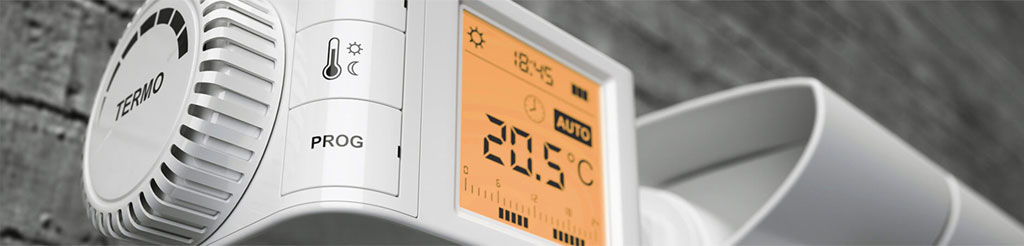

Yes. Modern cold-climate heat pumps can work well during New Jersey winters, including below-freezing temperatures. Their effectiveness depends on choosing a properly sized system, using equipment rated for cold-weather operation, and ensuring the home has adequate insulation, airflow, and backup heat when needed. The right combination of equipment and installation quality makes the difference between a heat pump that struggles and one that keeps a home comfortable all season.
New Jersey winters bring freezing temperatures, snow, wind, and the occasional deep cold snap, so it's fair to wonder whether a heat pump can keep up. Heat pumps do not stop working simply because the temperature drops below 32°F. What changes is their heating capacity and efficiency, which can shift as outdoor temperatures fall.
There's an important distinction between older heat pumps, standard air-source models, and modern cold-climate heat pumps. The rest of this article walks through how heat pumps perform in cold weather, when backup heat makes sense, what it costs to run one, and whether a heat pump is the right fit for your home.
For homeowners in Dunellen and across Central New Jersey, that means having a clear picture of what to expect before investing in a new system.
Not sure whether a heat pump can handle your home's heating needs? Contact Rich's Heating and Cooling LLC to schedule an evaluation and discuss the right heating and cooling options for your New Jersey home.
 How Heat Pumps Heat a Home in Winter
A heat pump does not create heat the way a furnace does by burning fuel. Instead, it transfers heat that already exists in the outdoor air into the home. Even cold air holds usable thermal energy, and a heat pump's job is to extract that energy, raise its temperature, and move it indoors. The same system reverses this process in summer, which is why one piece of equipment can handle both heating and cooling.
A heat pump works somewhat like a refrigerator in reverse. Instead of moving heat out of a box, it moves available heat from outdoors into the home.
The system relies on a few key components working together. The outdoor coil absorbs heat from the outside air, while refrigerant carries that heat through the system. The compressor raises the refrigerant's temperature and pressure, and the indoor coil or air handler releases that heat into the home.
A reversing valve allows the system to switch between heating and cooling modes as needed. The thermostat coordinates when and how the system runs based on the home's temperature settings.
Cold outside air does not mean there's no heat to capture. It simply means the heat pump has to work harder to extract and move that heat indoors.
Can a Heat Pump Operate Below Freezing?
Yes. A properly selected heat pump can continue operating below 32°F, and cold-climate models are specifically designed and tested for lower outdoor temperatures. Performance isn't simply on or off as the temperature drops. Instead, several things happen gradually: the system may deliver less heat, efficiency may decline, the compressor may run longer, and defrost cycles may kick in more often. Supplemental heat may also activate under certain conditions, depending on how the system is configured.
ENERGY STAR certification for air-source heat pumps includes third-party verification of low-temperature performance, with testing down to 5°F for cold-weather operation, and cold-climate models use design features such as advanced compressors and refrigerants to improve performance at low temperatures. ENERGY STAR certification for air-source heat pumps
Not every heat pump delivers its full rated output at 5°F. Capacity varies by model, so it's worth checking manufacturer performance data before assuming how a specific system will perform.
What Happens During a New Jersey Cold Snap?
An extended cold snap puts extra demand on any heating system, and heat pumps respond to that demand in a few predictable ways. Operating cycles tend to run longer as the system works to maintain the set indoor temperature. Heating capacity naturally decreases as outdoor temperatures drop, which makes accurate sizing especially important. In damp, freezing conditions, the system may also enter defrost mode more frequently to clear frost from the outdoor coil.
Auxiliary or supplemental heat may activate during the coldest stretches, depending on how the system is set up. This is a normal part of how many heat pump systems are designed to handle extreme cold.
Keeping the outdoor unit clear of snow, ice, leaves, and debris matters just as much during a cold snap. Blocked airflow around the unit can reduce performance even when the equipment itself is working properly.
Insulation, air sealing, ductwork, and airflow throughout the home also play a role in how well a heat pump performs during cold weather. A system that struggles during a cold snap doesn't necessarily have an inherent limitation. It may point to an installation or maintenance issue instead.
Common culprits include:
• Dirty filter
• Blocked outdoor coil
• Low refrigerant caused by a leak
• Poor airflow
• Incorrect thermostat settings
• Undersized equipment
• Inadequate insulation
• Faulty defrost controls
If ice builds up on the outdoor unit, avoid chipping it away with sharp tools or pouring hot water over the equipment. A qualified technician can safely diagnose and clear the issue.
 What Is a Cold-Climate Heat Pump?
A cold-climate heat pump is a system specifically designed and rated to maintain useful heating performance at lower outdoor temperatures than a standard model. This isn't just marketing language: these systems typically include variable-speed or inverter-driven compressor technology that adjusts output based on demand. They also feature improved refrigerant and compressor controls, enhanced low-temperature capacity, and more advanced defrost controls. Together, these design elements allow cold-climate models to outperform older conventional heat pumps when temperatures drop.
ENERGY STAR's testing framework evaluates performance at low temperatures, including 5°F, for qualifying air-source heat pumps. That gives homeowners a verified reference point rather than a manufacturer's general claim.
A headline SEER rating alone doesn't tell the full story of how a system will perform in winter. Homeowners should also look at heating capacity at 47°F and 17°F, heating capacity at 5°F, and COP at low temperatures.
HSPF2 and SEER2 ratings, along with the system's backup heat configuration and manufacturer operating range, round out the picture. No single rating should be treated as a guarantee of comfort or operating cost on its own.
Do Heat Pumps Need Backup Heat in New Jersey?
Not every home needs the same backup configuration, but understanding the options helps homeowners make an informed decision. Auxiliary heat is supplemental heat that may activate automatically when the heat pump can't meet the thermostat setting efficiently on its own. Emergency heat is a manually selected setting that typically locks out the heat pump entirely and relies on the backup heat source instead. Some homes use a dual-fuel setup, pairing a heat pump with a gas or propane furnace, while others rely on electric resistance backup built into the air handler.
A backup system can improve comfort and resilience during extreme cold, especially during prolonged stretches below freezing. It's an added layer of reliability rather than a sign that the heat pump alone is inadequate.
Backup heat can also raise operating costs, particularly when the backup source is electric resistance heat. The balance point, or the outdoor temperature at which the heat pump's capacity matches the home's heating demand, depends on the home itself, the equipment, utility prices, outdoor temperature, and how the system's controls are configured.
Getting the thermostat and control setup right matters as much as choosing the equipment. This kind of configuration should be handled by a qualified HVAC professional rather than left to default settings.
Heat Pump Versus Furnace or Boiler in New Jersey
Choosing between a heat pump, a gas furnace, and a boiler comes down to more than just heating output. Each system uses a different method to warm a home, and each comes with its own set of installation considerations. A heat pump transfers heat from outdoor air and typically includes cooling in the same system, while a furnace burns fuel and usually requires a separate central air setup. A boiler heats water and distributes it as hot water or steam, which also requires separate cooling if the homeowner wants air conditioning.
No single option is universally best for every New Jersey home. The right choice depends on the home's current system, insulation, fuel availability, electrical service, budget, comfort preferences, and long-term plans.
A home with existing hydronic radiators may lean toward keeping a boiler, while a home without gas service might find a heat pump's dual heating-and-cooling function appealing. A qualified HVAC professional can walk through these tradeoffs based on the specific property.
 Are Heat Pumps Efficient During Winter?
Heat pump efficiency is typically described using a coefficient of performance, or COP, which measures how much heat the system delivers relative to the electricity it consumes. A COP above 1 means the system delivers more heat energy than the electrical energy it uses, because it's moving heat rather than generating it directly through combustion. This is part of what makes heat pumps attractive from an efficiency standpoint. Actual operating costs, however, depend on much more than the COP alone.
Several factors shape what a homeowner actually pays to run a heat pump through the winter:
• Electricity rates
• Natural gas, propane, or oil prices
• Outdoor temperatures
• Equipment efficiency
• Home insulation
• Thermostat settings
• Defrost cycles
• Backup heat usage
• Maintenance and system condition
Generic savings percentages don't tell the full story without a complete comparison of local utility rates and the home's existing heating system. What saves money in one house with one utility rate structure may not translate directly to another.
The more useful approach is requesting a heat-loss calculation and an operating-cost comparison specific to the home. That gives a homeowner a realistic picture instead of relying on a national average or a manufacturer's general estimate.
How Much Does Cold Weather Reduce Heat Pump Performance?
Heat pumps generally become less efficient as outdoor temperatures fall, and heating capacity can decline along with it. How much performance drops varies significantly from one model to the next, which is why it's worth looking past general assumptions. Modern cold-climate equipment is specifically designed to reduce the impact of low temperatures compared to older conventional models. A model's published low-temperature data is far more useful than a broad claim that heat pumps "work down to" a certain temperature.
ENERGY STAR's low-temperature testing is useful here because it provides verified information about performance under colder conditions rather than relying on manufacturer marketing alone.
Not every heat pump maintains full capacity at 5°F, and it's worth being cautious about any claim suggesting otherwise. When numerical performance examples come up in conversation or in product literature, they should be treated as specific to that manufacturer or model rather than a universal expectation for all heat pumps.
What Makes a Heat Pump Work Well in a New Jersey Home?
A heat pump's performance depends heavily on how well it's installed, not just which model gets chosen. The same piece of equipment can perform very differently in two houses depending on sizing, ductwork, insulation, and other installation details. Getting these fundamentals right often matters more than chasing the highest efficiency rating on paper. The sections below cover the installation factors that have the biggest impact on how a heat pump performs in a New Jersey home.
Correct System Sizing
A contractor should perform a heating and cooling load calculation rather than sizing equipment based solely on the old furnace or the home's square footage. This step accounts for the home's actual heat loss and heat gain, which varies by insulation, windows, and layout.
Oversizing can lead to:
• Short cycling
• Uneven temperatures
• Poor humidity control in cooling season
• Unnecessary cost
Undersizing can lead to:
• Longer recovery times
• Frequent backup heat operation
• Reduced comfort during cold snaps
• Higher operating costs
Proper Ductwork or Ductless Planning
Ductwork quality affects how evenly a heat pump distributes heat throughout the home. Issues like duct leakage, restricted returns, and poorly balanced supply registers can undercut even a well-sized system.
Other factors worth addressing include inadequate insulation around ducts, room-by-room temperature differences, and, for ductless systems, indoor-unit placement.
Adequate Insulation and Air Sealing
A heat pump can't compensate indefinitely for major heat loss elsewhere in the home. Attic insulation gaps, drafty windows and doors, unsealed penetrations, and poorly insulated walls all force the system to work harder than it should.
Leaky ductwork running through unconditioned spaces like attics or crawl spaces compounds the problem. Addressing these issues often improves comfort as much as upgrading the equipment itself.
Correct Outdoor-Unit Placement
The outdoor unit needs adequate clearance for airflow, a stable base, and protection from drifting snow. Drainage for condensate and defrost water also matters, along with keeping the unit accessible for service.
Enclosing the outdoor unit tightly should be avoided, since restricted airflow can impair how the system operates.
Reliable Controls
The thermostat needs to coordinate heat pump operation, auxiliary heat, and outdoor temperature readings to run the system efficiently. It also manages defrost cycles, emergency heat, and dual-fuel changeover when applicable.
Poorly configured controls can cause a system to lean on backup heat more than necessary. A qualified installer should set these parameters based on the specific equipment and home.
Regular Maintenance
Routine maintenance keeps a heat pump running efficiently through the winter and helps catch small issues before they become bigger ones. This typically includes filter replacement, coil inspection, and refrigerant and electrical checks.
Additional maintenance items include condensate inspection, blower and airflow evaluation, thermostat testing, outdoor-unit cleaning, and defrost-control inspection.
Ask about heat pump maintenance services to keep your system running efficiently through the winter months.
Are Heat Pumps a Good Choice for Every New Jersey Home?
No, not automatically. A heat pump works well for many homes, but it isn't the right fit for every property or every homeowner's priorities. The decision comes down to the home's existing infrastructure, its insulation, and what the homeowner wants out of the system. An in-home evaluation is the most reliable way to determine whether a heat pump makes sense for a specific property.
A heat pump may be a strong candidate under several conditions. These include wanting one system for both heating and cooling, having suitable electrical service, and having workable ductwork or the ability to support ductless equipment.
Other favorable conditions include:
• A reasonably insulated building envelope
• A desire to reduce dependence on fossil fuels
• A home where the system can be properly sized
• An understanding of the need for maintenance and possible supplemental heat
A different system or a hybrid setup may be more appropriate in other cases. Severe heat loss that hasn't been addressed, inadequate existing ductwork, and unusually expensive electrical upgrades can all tip the decision away from a heat pump.
Dependence on a hydronic distribution system, an inability to meet the home's heating load without excessive backup heat, and specific fuel-cost or heating-output priorities matter too. These factors are worth discussing directly with an HVAC professional rather than guessing based on general information. A professional evaluation, not a remote diagnosis, is the right next step.
Can New Jersey Homeowners Receive Heat Pump Incentives?
New Jersey homeowners may qualify for state, utility, or federal incentives, but the amount and eligibility requirements vary. Programs, income limits, utility territories, equipment requirements, and application deadlines can all change, so any figures mentioned here should be confirmed before making a purchasing decision. Several state and federal sources currently reference heat pump incentive programs for New Jersey residents. These programs typically come with specific equipment and eligibility requirements attached.
As of the available research, NJDEP lists residential cold-climate air-source heat pump incentives of up to $10,000 per unit or 50% of project cost, whichever is less, under the cited program information. New Jersey's Board of Public Utilities also lists a federal heat pump credit of 30% of cost, up to $2,000 per year, subject to applicable eligibility rules.
Utility programs may impose specific requirements tied to performance at 5°F, HSPF2, SEER2, COP, equipment type, contractor eligibility, and replacement conditions. Confirm current program rules before purchasing equipment, since some incentives require approved equipment, pre-approval, qualified contractors, income verification, or installation by a specific deadline.
When to Call an HVAC Professional
Most heat pump issues show up as noticeable changes in how the system runs, not sudden breakdowns. Catching these signs early can prevent a small issue from turning into a costly repair or an uncomfortable stretch of cold weather. Homeowners don't need to diagnose the exact cause themselves, but recognizing the warning signs helps them know when to call. The list below covers the most common reasons to schedule a service visit.
• The heat pump runs continuously but the home remains cold
• The system relies on auxiliary heat unusually often
• The outdoor unit is heavily iced over
• Airflow is weak or uneven
• The thermostat shows error codes
• The system makes unusual sounds
• The outdoor unit is blocked by snow or debris
• Energy costs rise unexpectedly
• Some rooms are consistently colder than others
Homeowners can handle a few basic tasks themselves, like replacing filters and keeping the area around the outdoor unit clear. Refrigerant, electrical, compressor, and control-system work should be handled by a qualified HVAC professional.
Ask about heat pump installation, maintenance, and repair services for your property.
Comments